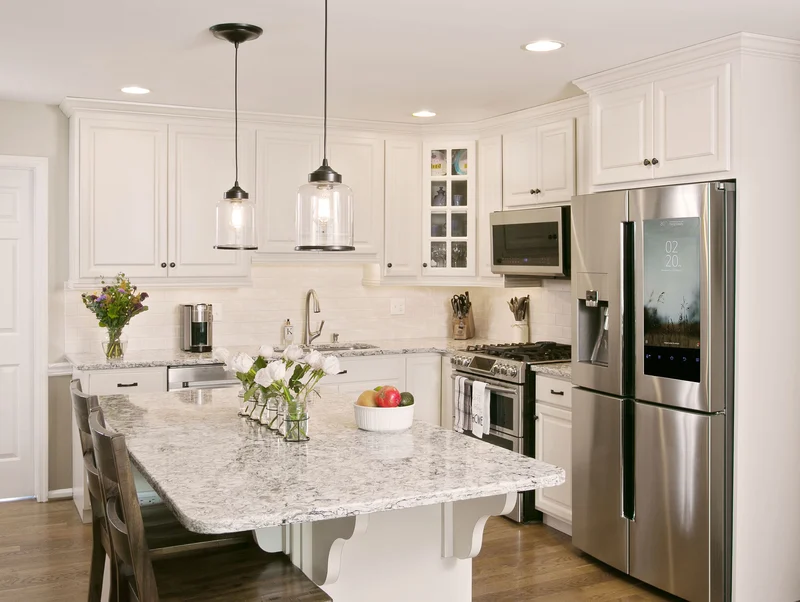
White kitchen islands define vintage home aesthetics, offering both style and functionality. Antique white kitchen islands bring a soft, nostalgic feel that complements classic architecture. Their neutral tone works with varied textures like distressed wood or patterned tile while keeping kitchens bright and open. Homeowners choose white islands not only for visual appeal but also for practicality. Serving as dining, prep, and social hubs, they combine everyday usability with timeless charm, creating a centerpiece that reflects heritage without overwhelming modern updates.
Timeless Appeal of White in Vintage Kitchens
White represents purity, simplicity, and elegance, qualities that blend seamlessly with vintage design. Architectural details like crown molding, beadboard panels, and farmhouse sinks stand out against a white backdrop. Light tones also maximize natural brightness, making smaller kitchens feel spacious. Historically, early kitchens often used light colors due to limited pigments, creating authenticity. A white island connects modern kitchens with their historical roots, maintaining continuity between past and present. Its understated elegance ensures it never feels outdated while complementing existing vintage elements throughout the space.
Functional Benefits That Go Beyond Style
A white kitchen island is a multifunctional centerpiece, combining cooking, storage, and dining space. Light surfaces make cleaning easier, as spills and stains are easily visible. The neutral color creates a backdrop that highlights countertops, fixtures, and other design elements. Homeowners can add modern appliances or vintage lighting without clashing with the island’s design. Serving as both a workspace and a gathering area, a white island balances aesthetic appeal with practicality. This combination of utility and beauty ensures that kitchens remain organized, comfortable, and visually cohesive.
How White Kitchen Islands Enhance Vintage Character
- Highlight intricate woodwork and architectural details
- Pair naturally with materials like wood, stone, and brick
- Provide contrast with darker floors or cabinetry
- Reflect natural and artificial light, brightening spaces
- Support an airy, cohesive, and nostalgic kitchen theme
Versatility Across Different Vintage Styles
White islands suit a wide variety of vintage interiors. In farmhouse kitchens, they often feature distressed finishes or butcher block tops for warmth and texture. Cottage-style kitchens use decorative legs or open shelving for a soft, inviting look. Colonial homes favor symmetrical designs with classic detailing. White islands unify these diverse approaches, allowing homeowners to personalize the space without disrupting the overall aesthetic. The adaptability of white ensures that it complements different textures, colors, and finishes, making it a consistent feature across styles while maintaining the home’s original charm.
Creating a Focal Point Without Overpowering the Room
A white kitchen island acts as a subtle focal point in vintage homes, balancing visual interest without dominating the space. Its neutral tone allows other design elements—like patterned tile, antique hardware, or rustic wood—to remain prominent. Customization options, including hardware, countertops, or decorative accents, can reflect personal taste while maintaining cohesion. By drawing attention gently, the island enhances the overall design. This balance between prominence and subtlety is especially valuable in detail-rich vintage kitchens, creating a central feature that harmonizes the room rather than competing with its charm.
Brightening Older Kitchen Layouts
Many vintage kitchens have smaller windows or layouts that limit natural light. A white kitchen island helps reflect light across the room, making spaces appear larger and more inviting. It enhances the visual impact of other elements, such as patterned tiles, wooden cabinetry, or antique fixtures. The brightness improves both comfort and functionality, creating an airy environment for cooking and dining. Light-reflective surfaces also contribute to cleaner-looking spaces by emphasizing the contrast between shadows and surfaces. A simple color choice can dramatically improve how the kitchen feels and functions day-to-day.
Easy Integration With Modern Features
White islands bridge traditional and contemporary design, allowing modern appliances, sleek lighting, and updated seating to blend seamlessly with a vintage kitchen. Their neutral color ensures that new features do not clash with historic details, preserving the home’s character. This flexibility supports functional upgrades without compromising aesthetic integrity. Homeowners can integrate technology, convenience, and efficiency while retaining the charm of a vintage kitchen. A white island serves as a transitional element, connecting old and new design elements into a cohesive, functional, and visually pleasing space that supports modern living.
A Lasting Trend That Transcends Time
White kitchen islands have a timeless appeal that resists short-lived design trends. Their classic look makes them suitable for decades, ensuring that vintage kitchens remain stylish and relevant. Homeowners can invest in a white island with confidence, knowing it will complement both traditional décor and modern updates. The enduring appeal reduces the need for frequent renovations or color updates. This longevity makes white kitchen islands a practical choice that combines aesthetic value with functionality, preserving the visual and historical integrity of the home while serving contemporary needs.
Conclusion
White kitchen islands remain a staple in vintage homes due to their elegance, functionality, and versatility. They brighten spaces, emphasize architectural details, and create balanced focal points. Their neutral tone allows for the integration of modern upgrades without sacrificing historical charm. From farmhouse to cottage and colonial interiors, a white island ties different elements together while maintaining timeless appeal. Homeowners seeking a blend of tradition and practicality find that these islands provide enduring value, ensuring that kitchens remain both visually appealing and highly functional for years.
FAQs
Why are white kitchen islands ideal for vintage homes?
White islands enhance architectural features, brighten spaces, and complement classic design styles.
Are white kitchen islands difficult to maintain?
Regular cleaning keeps them fresh, and their color makes spills easy to spot.
Can a white island fit in a small vintage kitchen?
Yes, it reflects light and creates a sense of openness in compact layouts.
Do white kitchen islands suit different vintage styles?
They adapt seamlessly to farmhouse, cottage, colonial, or shabby chic interiors.
Will white kitchen islands remain stylish over time?
Their timeless appeal ensures they continue to look relevant for decades.