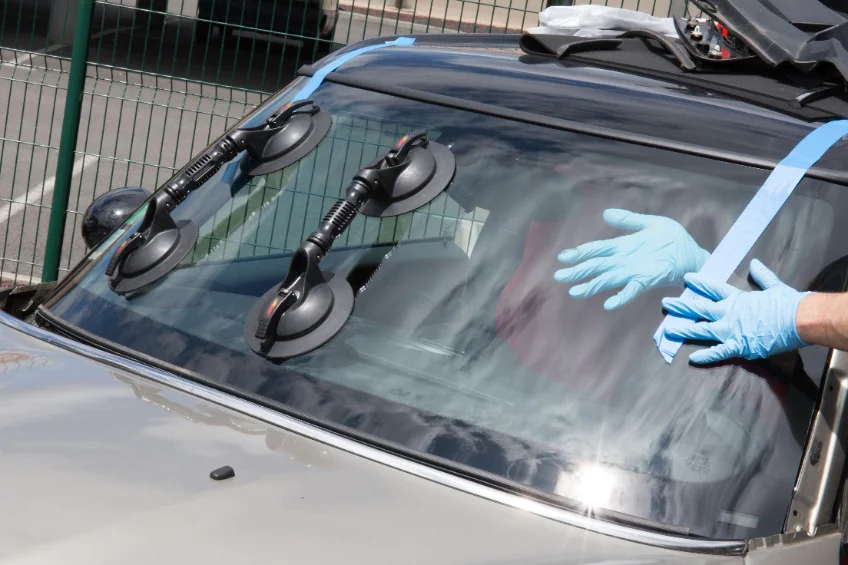
Modern vehicles rely on advanced sensor systems for safety and driver assistance. Cameras and radar modules mounted near or on the windshield control lane departure warnings, collision alerts, and adaptive cruise functions. After windshield replacement, these sensors can lose alignment, which may compromise accuracy. Windshield adas calibration restores the correct sensor angles and ensures the systems operate as intended, maintaining vehicle safety. Proper alignment is critical because even a small deviation can lead to inaccurate readings or malfunctioning alerts.
Why Modern Vehicles Depend on Safety Sensors
The Connection Between Glass and Sensor Accuracy
The windshield serves not only as protective glass but also as a platform for mounting cameras and radar units. Replacement glass may differ slightly in thickness or position. Even minor shifts can alter the angle of sensors, affecting the ability to read lane markings, detect nearby vehicles, and respond correctly to traffic signs. Proper positioning is essential for maintaining the accuracy of all driver assistance systems.
What Happens During Glass Replacement
Technicians remove the old windshield and install new glass according to the manufacturer’s specifications. Accurate placement is vital, as adhesive curing, mounting bracket alignment, and sensor housing positions all impact system function. Any deviation from the recommended procedure can distort camera and radar readings. Careful installation ensures that safety features continue to work properly and prevents warnings or failures caused by misaligned components.
How Cameras and Sensors Detect Road Conditions
Front-facing cameras capture lane markings, traffic signs, and obstacles while radar systems measure the distance and speed of surrounding vehicles. Both systems work together to relay real-time data to the vehicle’s safety software. Even slight visual distortion, dirt, or misalignment can reduce sensor reliability. Accurate sensor input is critical for timely braking, lane keeping, and adaptive cruise control responses on all types of roads.
Why Sensor Calibration Is Required After Replacement
After windshield replacement, sensor angles may shift, which affects how the vehicle interprets road data. Calibration realigns cameras and radar to the correct positions so safety features function as designed. Without calibration, systems may provide false alerts or fail to detect hazards. Calibration ensures the driver receives accurate warnings, correct lane assist responses, and proper collision alerts, maintaining overall vehicle safety.
Static vs Dynamic Calibration Methods
Sensor calibration can be performed using static or dynamic methods.
- Static calibration: Uses targets and measurement tools in a workshop to precisely align sensors.
- Dynamic calibration: Conducted during controlled driving conditions to verify sensor function in real-world scenarios.
Manufacturers may require one or both methods depending on the vehicle model. Both approaches guarantee that sensors are properly aligned and ready for accurate operation.
Risks of Driving Without Proper Calibration
Driving without calibration can lead to false warnings, delayed braking, or incorrect lane corrections. Safety systems may not respond to hazards accurately, increasing accident risk. Misaligned sensors can trigger constant alerts, creating a distraction for the driver, or fail silently, providing a false sense of security. Proper alignment after glass replacement is essential to prevent these safety failures and maintain confidence in the vehicle’s assistance systems.
How Drivers Can Confirm Proper Sensor Performance
After calibration, warning lights should be cleared, and all safety systems should respond accurately during tests. Drivers can verify proper function through technician reports or supervised road testing. Any persistent alerts or malfunctions indicate misalignment or incomplete calibration. Checking system performance immediately after windshield replacement ensures the vehicle maintains reliable safety and prevents issues before they become critical on the road.
Conclusion
Windshield replacement in modern vehicles affects more than visibility. Cameras and radar rely on proper alignment to maintain lane departure warnings, collision alerts, and adaptive cruise control. Windshield ADAS calibration restores sensor angles and ensures the safety systems operate as intended. Proper calibration protects drivers, passengers, and other road users, making it an essential step after any auto glass replacement. Vehicles without calibration risk inaccurate alerts and reduced safety performance.
FAQs
What is windshield ADAS calibration?
It realigns cameras and sensors after windshield replacement to restore accurate readings for safety systems.
Can I drive immediately after glass replacement?
The vehicle can be driven, but calibration must be performed to keep safety systems functioning correctly.
What happens if sensors are not calibrated?
False alerts, delayed braking, or incorrect lane assistance may occur, increasing accident risk.
How long does calibration take?
Calibration usually takes 30–90 minutes, depending on the vehicle model and method used.
Do all vehicles require calibration after glass replacement?
Most modern vehicles with driver assistance features require calibration. Some models need static, dynamic, or both methods.