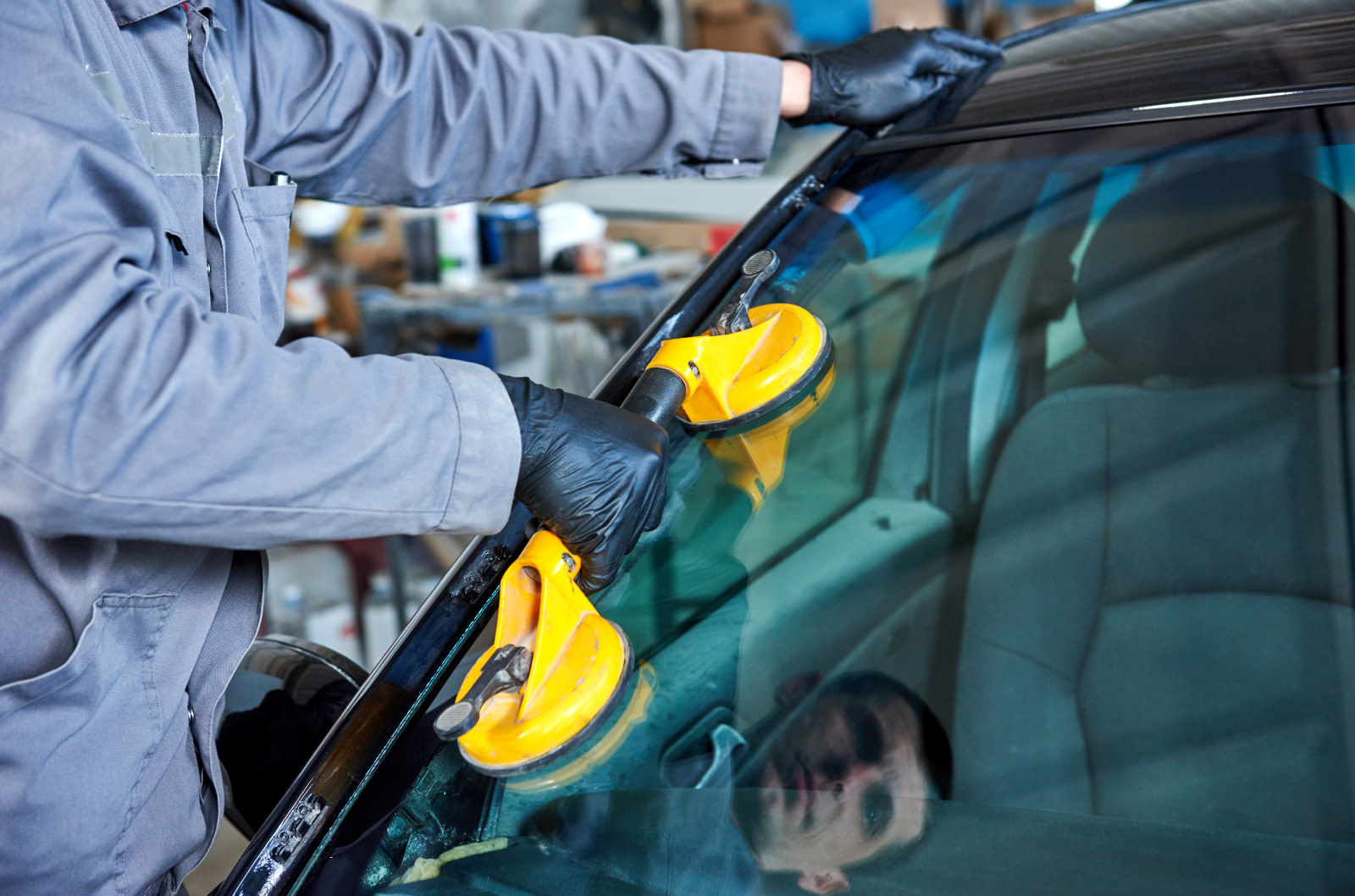
Vehicle safety depends heavily on windshield condition, as it supports visibility, structural strength, and protection during impact. Small chips or cracks may appear harmless at first, yet they often expand due to road vibration, heat changes, and moisture exposure. Ignoring early damage increases the risk of sudden breakage and reduced driving control. Professional services like Windshield replacement orlando fl become necessary when damage exceeds repair limits or spreads across key areas. This guide explains important warning signs that indicate whether a windshield requires repair or full replacement. Recognizing these indicators early helps maintain road safety, improves visibility, and reduces long-term repair costs while ensuring passenger protection.
Visible Cracks Spreading Across the Glass
Cracks that spread across a windshield signal weakening structural integrity and increased safety risk. Small fractures often grow longer due to vibration from driving and temperature changes between day and night. A crack expanding toward the driver’s view becomes more dangerous as it affects visibility and increases glare from sunlight or headlights. Over time, glass strength decreases, making sudden breakage more likely during pressure or impact. Cracks forming straight lines or branching patterns indicate deeper damage within the glass layers. Once spreading becomes noticeable, repair may no longer restore safe durability, and replacement is typically required for reliable protection.
Chips That Cannot Be Repaired
Chips vary in severity depending on depth, size, and location on the windshield. Surface-level chips can sometimes be fixed, but deeper damage that penetrates multiple glass layers often requires replacement. Chips that collect moisture, dust, or debris become harder to repair effectively. Damage located in critical viewing areas also reduces repair success rates. Repair methods may restore appearance but not full strength in advanced cases. Technicians assess whether resin can bond properly before recommending repair. Once chip conditions exceed safety limits, full windshield replacement becomes necessary to ensure clarity, durability, and structural reliability.
Damage in the Driver’s Line of Sight
Damage positioned directly in the driver’s viewing area creates serious visibility concerns. Even small chips or cracks can distort road perception and affect reaction time during driving. Light reflection passing through damaged zones often creates glare, especially at night or during bright sunlight. Distorted visibility increases the risk of misjudging distances and obstacles on the road. Repair in this zone may not restore full optical clarity. Safety standards prioritize clear vision, making replacement a preferred solution when damage interferes with direct line of sight and compromises driving accuracy.
Edge Cracks and Frame Damage
Cracks near the windshield edges present higher safety risks compared to central damage. Edge areas provide structural support, helping hold the glass firmly in place. Once cracks reach these points, spreading becomes faster due to pressure distribution along the frame. Vehicle movement and road vibration increase stress on weakened edges, leading to further expansion. Water leakage, wind noise, and reduced sealing strength may also occur. Structural stability declines significantly under these conditions. Repair methods are often ineffective for edge damage, making full replacement necessary to maintain safety and prevent further deterioration.
Multiple Chips or Widespread Damage
A windshield with multiple chips across different areas indicates overall structural weakening. Each impact point reduces the glass’s ability to absorb stress from vibration and temperature changes. Scattered damage also creates visual distractions that affect driving focus. Repairing multiple chips individually does not restore uniform strength across the surface. Over time, small chips may connect and form larger cracks. Widespread damage also reduces clarity, especially during night driving or rainy conditions. Replacement becomes the safer option to ensure consistent durability, improved visibility, and long-term protection against sudden glass failure.
Internal Damage or Fogging Between Layers
Modern windshields consist of laminated layers designed for safety and impact resistance. Internal damage such as fogging, bubbles, or separation between layers indicates bond failure. This condition often develops due to moisture infiltration, heat exposure, or aging materials. Surface repair cannot correct internal structural issues, as damage lies between glass layers. Visibility becomes distorted, creating blurred or cloudy areas that affect driving safety. Over time, separation may spread and weaken the windshield further. Replacement remains the only reliable solution to restore transparency, strength, and proper bonding between laminated layers.
Severe Impact or Accident Damage
Severe impact from accidents or heavy road debris often causes deep fractures across multiple sections of the windshield. Such damage compromises both visibility and structural support of the vehicle roof. Airbag deployment pressure also depends partly on windshield strength, making severe damage a critical safety concern. Large impact zones may create spiderweb cracking patterns that spread rapidly. Repair is not suitable in most high-impact cases due to weakened integrity. Replacement ensures full restoration of safety standards, providing stable protection and restoring the vehicle’s ability to withstand future road stress.
Conclusion
Windshield condition directly affects driving safety, visibility, and vehicle stability. Cracks, chips, edge damage, and internal separation all indicate different levels of risk that must be assessed carefully. Minor surface damage may be repairable, but spreading cracks or structural issues often require full replacement. Early detection prevents further deterioration and reduces the chance of sudden glass failure. Professional inspection remains the most reliable way to determine the correct solution. Maintaining a strong, clear windshield supports safe driving conditions and ensures long-term protection for all passengers on the road.