Exterior surfaces are constantly exposed to dust, moisture, algae, and pollution. Over time, these elements weaken the appearance and structure. Traditional cleaning methods often rely on high-pressure water or strong chemicals, which can cause long-term damage. A Soft Pressure Washing expert applies controlled cleaning techniques that protect surfaces while removing buildup effectively. Safer cleaning methods focus on surface protection, environmental responsibility, and long-lasting cleanliness for residential and commercial properties.
Exterior Surface Cleaning Overview
Exterior surface cleaning removes dirt, mold, mildew, algae, and grime from outdoor areas. Common surfaces affected by buildup are roofs, siding, patios, driveways, fences, and decks. Weather changes and pollution speed up contamination. Harsh pressure methods often strip paint, damage wood, and force water into hidden areas. Safer cleaning methods rely on low-pressure water flow combined with biodegradable solutions that break down dirt while keeping surfaces intact.
Surface Condition Review
Each cleaning process begins with a detailed review of surface condition. Materials react differently to moisture and pressure. Wood, brick, vinyl, and concrete require different treatment levels. Cracks, stains, and biological growth need attention before cleaning begins. This review prevents accidental damage during washing. A proper surface check helps set the right cleaning method for each area without causing structural stress.
Method Planning for Each Area
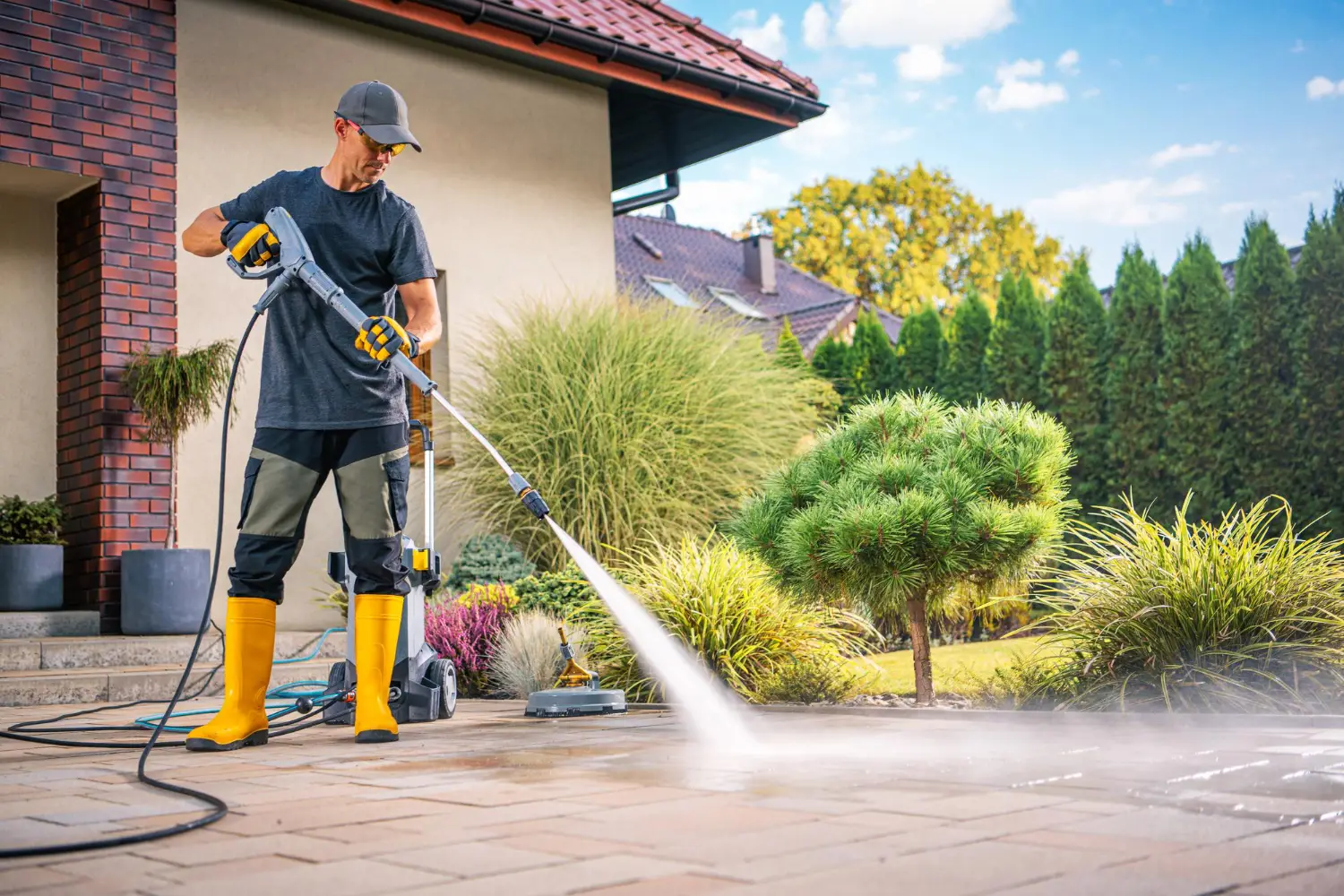
Different surfaces require different cleaning approaches. Soft washing works well on roofs and siding, while controlled water flow suits patios and driveways. Manual brushing works for detailed or fragile areas. Steam cleaning can help with stubborn stains on sensitive materials. Planning each method reduces risks and delivers steady cleaning results across all exterior sections without harming surface layers or protective coatings.
Safe Cleaning Solutions Usage
Safe cleaning solutions break down dirt and organic growth without harming surrounding soil or plants. These solutions are non-toxic and biodegradable, making them safer for outdoor use. Proper dilution improves cleaning performance while limiting chemical exposure. Controlled application prevents runoff into drains or gardens. This approach supports cleaner surroundings while maintaining strong cleaning performance on surfaces.
Controlled Water Pressure Application
Low-pressure cleaning protects surfaces from cracks and erosion. Strong pressure often forces water into walls, leading to hidden damage. Controlled water flow removes dirt gently while maintaining surface structure. Paint layers remain intact, and protective coatings stay effective. This method reduces surface wear and supports long-term durability across all exterior materials without causing unnecessary strain.
Final Rinse and Surface Check
After cleaning, a proper rinse removes leftover residue from surfaces. Any remaining dirt or solution is cleared to prevent streaks or buildup. A full surface check confirms cleanliness across all areas. Stains or spots that remain receive light treatment again. This step creates a uniform finish and keeps surfaces in stable condition after cleaning is complete.
Advantages of Safer Cleaning Methods
- Protects paint, coatings, and surface materials
- Reduces the risk of cracks and erosion
- Limits water intrusion into hidden areas
- Supports cleaner surroundings with safer solutions
- Extends the lifespan of exterior structures
- Reduces the need for frequent deep cleaning
- Maintains consistent surface appearance
Environmental Impact of Safe Cleaning
Safe cleaning methods reduce harm to soil, plants, and water systems. Biodegradable solutions break down naturally without leaving harmful residue. Controlled water usage reduces waste during cleaning. Chemical runoff remains minimal, which supports healthier outdoor spaces. This approach supports cleaner surroundings while maintaining property hygiene without placing stress on nearby ecosystems.
Long-Term Cost Benefits
Safer cleaning methods reduce long-term repair costs. Surface damage caused by harsh pressure often leads to repainting or replacement work. Gentle cleaning protects materials, reducing maintenance needs over time. Fewer cleaning cycles are required due to longer-lasting results. Property owners save money by preventing structural issues caused by aggressive cleaning techniques.
Safety and Health Factors
Harsh cleaning chemicals and high-pressure systems create risks for people and property. Skin irritation, breathing issues, and slip hazards often occur with unsafe methods. Controlled cleaning with mild solutions reduces exposure to harmful substances. Lower pressure levels also prevent accidental surface damage that may create unsafe conditions. Cleaner surroundings support healthier outdoor environments for residents and workers.
Professional Cleaning Support
Professional cleaning teams apply proper techniques based on surface type and condition. Equipment used by trained workers provides consistent results across different areas. Knowledge of materials helps prevent cleaning errors. Safe handling of tools and solutions reduces risk during the process. Professional service also saves time and delivers steady results across large properties or complex structures.
Maintenance Practices for Clean Surfaces
Routine care helps maintain surface condition between deep cleaning sessions. Removing leaves and debris prevents moisture buildup. Regular inspection helps detect early signs of mold or stains. Light cleaning of small areas prevents heavy buildup over time. Proper drainage around property limits water retention that causes growth of algae or mildew on exterior surfaces.
Conclusion
Safer methods for exterior surface cleaning offer reliable results without harming materials or surroundings. Controlled pressure, eco-friendly solutions, and proper techniques protect property value over time. These methods reduce repair costs, support cleaner environments, and maintain strong surface condition. Careful cleaning practices provide long-term benefits for both residential and commercial properties while keeping outdoor areas in stable condition.
FAQs
What makes safer exterior cleaning different from traditional cleaning?
Safer cleaning uses low pressure and mild solutions that protect surfaces while removing dirt without causing damage.
How often should exterior surfaces be cleaned?
Cleaning once or twice yearly helps control the buildup of dirt, mold, and algae, depending on weather conditions.
Do safe cleaning methods remove tough stains?
Yes, controlled techniques combined with proper solutions remove stains without harming surface materials.
Can strong pressure damage exterior surfaces?
High pressure can crack surfaces, strip paint, and force water into structures, leading to long-term damage.
Why is a professional cleaning service useful?
Professionals apply correct methods and tools based on surface type, reducing risks and maintaining consistent cleaning results.