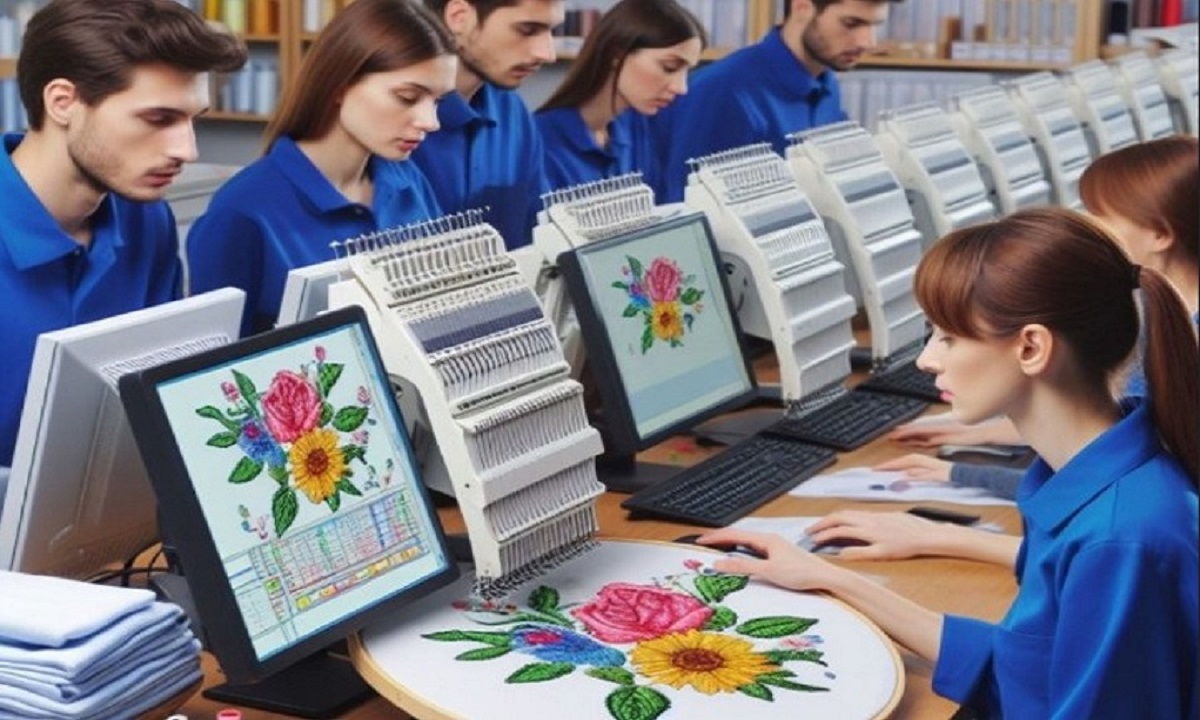
If you’ve ever wished you could turn your favorite artwork, logo, or photo into a beautifully stitched design, Digitizing for Embroidery is exactly what makes that magic happen. Whether you’re a hobbyist, a small business owner, or part of a large apparel brand, embroidery digitizing lets you transform any image into clean, machine-ready stitch art. From caps and jackets to uniforms and custom gifts, digitizing ensures your design stitches out perfectly sharp, smooth, and full of detail.
In this article, we’ll break down what embroidery digitizing is, why it matters, and how it helps bring your creative ideas to life with accuracy and flair.
What Is Embroidery Digitizing?
Embroidery digitizing is the process of converting artwork like logos, illustrations, or text into a stitch file that an embroidery machine can read. Instead of pixels, your design is translated into stitches, paths, densities, and angles.
The digitizer decides:
- Where the stitches will go
- What stitch type to use
- How dense each area should be
- The path the needle will follow
This isn’t an automated click-and-convert job. It’s a skilled craft that requires knowledge of fabrics, threads, textures, and machine behavior. The quality of the digitizing directly affects how your final embroidery looks.
Why Digitizing for Embroidery Matters
Many people think any image can simply be “uploaded” to a machine and stitched. But embroidery is physical thread, fabric, and tension that behave differently from digital pixels.
Here’s why good digitizing is essential:
Precision and Clean Results
Well-digitized designs stitch neatly with no thread breaks, puckering, or misplaced details.
Control Over Texture
Different stitch types (satin, fill, run) create different textures, shading, and dimensional effects.
Smooth Lettering
Small text needs careful digitizing to avoid blobs or unreadable stitches.
Reduced Production Time
A well-planned stitch path means fewer trims, jumps, and machine errors.
Consistent Branding
Your logo should look professional and identical across all apparel items.
Good digitizing is the backbone of flawless embroidery. Even the best machine can’t fix a poorly digitized file.
How Embroidery Digitizing Works
Curious what happens behind the scenes? Here’s how your image becomes embroidery-ready:
1. Artwork Review
The digitizer analyzes your artwork to determine:
- Complexity
- Colors
- Required stitch types
- Areas that need adjustment for stitching
2. Cleanup and Simplification
Some images need cleanup, reducing excessive detail or adjusting thin lines so they stitch well.
3. Stitch Mapping
This is the heart of the digitizing process. The digitizer assigns:
- Fill stitches for larger areas
- Satin stitches for borders and lettering
- Run stitches for details or outlines
They also map the sequence to ensure minimal jumps and clean flow.
4. Density & Underlay Setup
Underlay stitches stabilize the design, while density controls appearance and texture. Getting both right ensures smooth, durable embroidery.
5. Machine File Export
The design is saved in formats like:
- DST
- PES
- EXP
- JEF
Each format caters to different embroidery machines.
Types of Embroidery Digitizing
Embroidery digitizing isn’t one-size-fits-all. Different projects require different techniques.
1. Logo Digitizing
The most common perfect for uniforms, caps, shirts, and branding materials.
2. Photo or Portrait Digitizing
Also called photo stitch. Converts images into realistic, shaded stitch art.
3. Appliqué Digitizing
Allows fabric pieces to replace stitched areas for a stylish, durable finish. Great for large designs and athletic wear.
4. 3D Puff Digitizing
Used for caps and bold lettering creates raised, structured embroidery.
5. Patch Digitizing
Perfect for woven or embroidered patch production.
What Makes a Digitized Design High Quality?
Not all digitizing is created equal. A high-quality stitch file has:
Smooth, Clean Outlines
Especially for logos and small text.
Balanced Density
Too dense = thread breakage.
Too loose = gaps in stitching.
Correct Underlay
Prevents bunching and keeps the design stable.
Proper Stitch Types
Matching the fabric and design ensures durability and visual appeal.
Efficient Stitch Path
Fewer trims and jumps mean faster stitching and a nicer finish.
A good digitizer considers the fabric type, the purpose of the design, and the machine model — all critical for perfect results.
Why Businesses Need Professional Digitizing
Whether you’re running a clothing brand, a print shop, or a promotional products business, digitizing is a core part of quality control.
Here’s how it helps you:
1. Consistent Branding for Clients
Every logo stitches out identical, no matter the garment.
2. Faster Production
Clean files reduce machine issues and thread breaks.
3. Higher Customer Satisfaction
Sharp, smooth embroidery = repeat business.
4. Professional Edges and Lettering
Nothing kills embroidery credibility like jagged, unreadable text.
5. Works Across All Fabrics
A good digitizer adapts files for cotton, polyester, fleece, denim, caps, and more.
How to Prepare Your Artwork for Digitizing
To get the best results, follow these tips:
- Send the highest-quality image possible
- Avoid blurry or tiny screenshots
- If available, provide vector files (AI, SVG, EPS)
- Specify your fabric type
- Mention size requirements
- Indicate color preferences
Better input = better output.
Common Mistakes in Digitizing for Embroidery
Here are errors that often ruin embroidery results:
- Using auto-digitizing tools
- Overly small text
- Excessive detail in small areas
- Wrong density on stretchy fabrics
- No underlay (leads to unstable stitching)
- Poor stitch path planning
These mistakes cost time, thread, and money all easily avoided with a skilled digitizer.
Benefits of Choosing Professional Digitizing Services
Professional digitizers bring precision and expertise that machines simply can’t match.
Here’s what you get:
- Custom stitch mapping
- Clean finishing and sharp lettering
- Reduced thread breaks
- Optimized files for different fabrics
- Faster turnarounds
- Files ready for commercial embroidery machines
Investing in quality digitizing means smoother production and better-looking embroidery.
Final Thoughts
Turning any image into stunning stitch art starts with expert Digitizing for Embroidery. Whether you’re personalizing gifts, branding apparel, or running a large-scale embroidery business, a well-digitized file ensures your design stitches beautifully every time. From crisp lettering to smooth shading, digitizing transforms flat artwork into textured, professional embroidery that stands out.
For reliable, precise, and beautifully crafted stitch files, Absolute Digitizer is a trusted choice. Their skilled team delivers high-quality embroidery digitizing that brings your images to life with accuracy, detail, and flawless stitching every single time.