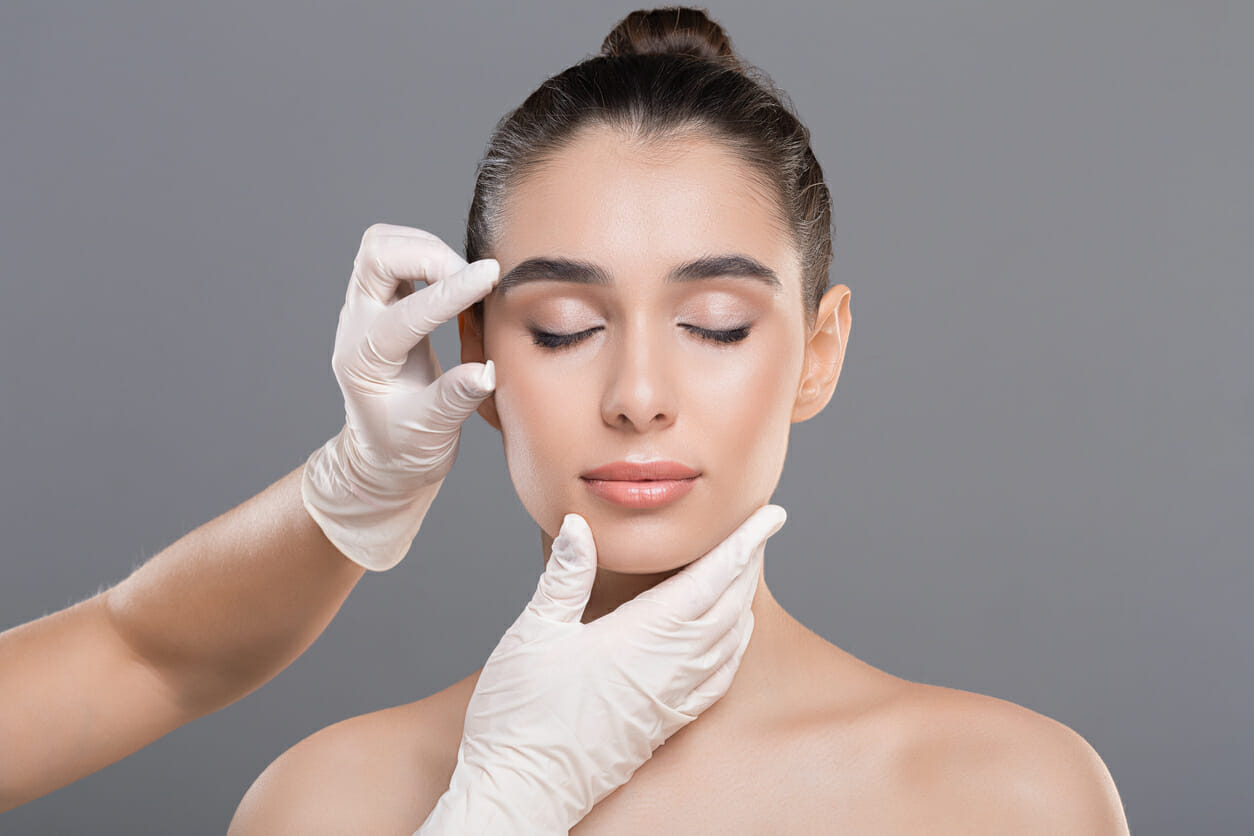
In the fast-paced, high-stakes environment of Washington, D.C., discretion, efficiency, and excellence are the pillars of every professional endeavor. This is especially true in the realm of aesthetic and reconstructive medicine. Our nation’s capital is home to some of the most prestigious plastic surgeons in the world, serving a clientele that includes diplomats, policymakers, and high-level professionals who demand nothing less than perfection.
However, the journey to a transformative result does not conclude when the surgical team completes the final suture. The real work of transformation happens in the quiet, critical hours that follow. In the D.C. metro area, the trend has shifted toward “Concierge Recovery.” No longer is it enough to simply go home and hope for the best; the modern standard involves hiring a specialized plastic surgery recovery nurse in Washington, D.C. to oversee the delicate transition from the operating table to daily life.
The Unique Dynamics of D.C. Recovery
Recovering from surgery in the District presents a specific set of challenges. Whether you are navigating the historic brownstones of Georgetown, the high-rises of Rosslyn, or the suburban estates of Bethesda and McLean, the local environment influences your healing.
1. The Need for Absolute Discretion
In a city where privacy is a currency, many patients prefer to recover away from the public eye. A private recovery nurse allows you to bypass traditional recovery centers or hospital wards, turning your home or a luxury hotel suite into a private clinical sanctuary. This ensures that your medical journey remains strictly confidential.
2. Navigating the “Beltway Stress”
Washington is a high-cortisol city. For many patients, the urge to check emails or jump back into a briefing is strong. A recovery nurse acts as a vital “buffer,” enforcing the rest protocols necessary for healing. They manage the environment so that your only job is to let your body knit itself back together.
3. Access to Elite Continuity of Care
The D.C. medical community is tightly knit. A specialized plastic surgery recovery nurse in Washington, D.C. often has established relationships with the area’s top surgical offices. They speak the language of your surgeon, ensuring that the specific post-op instructions for a deep-plane facelift or a high-definition liposuction are executed with military precision.
Clinical Mastery: More Than Just a Helping Hand
It is a common misconception that a “recovery assistant” is simply there to bring you tea or adjust your pillows. While comfort is a priority, a registered nurse brings a clinical depth that is essential for a safe recovery.
Vigilant Monitoring for Complications
The first 48 to 72 hours are the “danger zone” for post-operative complications. A nurse is trained to monitor vitals and physical signs that a layperson might miss:
-
Hematoma Detection: Identifying internal bleeding that can put pressure on tissues and compromise results.
-
DVT Prevention: Implementing protocols to prevent blood clots, a risk that increases after long procedures.
-
Infection Control: Maintaining a sterile environment for dressing changes and monitoring incision sites for localized heat or redness.
Professional Pain Management
Managing pain in 2026 is about more than just “taking a pill.” It’s about titration and timing. A nurse ensures you stay ahead of the pain curve, preventing the “peaks and valleys” that can lead to physical stress and elevated blood pressure. They also monitor for side effects like nausea or respiratory depression, which are common with post-op medications.
Surgical Drain Management
Many D.C. patients undergo “Mommy Makeovers” or body contouring procedures that require surgical drains. These devices are crucial for preventing seromas (fluid buildup), but they require meticulous care. A nurse handles the “milking” and measuring of these drains, ensuring they function correctly and identifying when the output suggests a need for a surgeon’s consultation.
Protecting Your Aesthetic Investment
Plastic surgery is a significant financial and emotional investment. A world-class surgeon creates the structure, but the recovery nurse protects the “settling” of that structure.
Specialized care services, such as those provided by Plastic Surgery Nurse, understand the aesthetic nuances of recovery. For example, in a facelift recovery, the angle of the head and the tension of the chin strap are not just about comfort—they are about ensuring that the delicate skin flaps adhere correctly and that lymphatic fluid drains efficiently to minimize swelling.
Lymphatic Health and Contouring
Swelling is the enemy of a fast recovery. A nurse trained in plastic surgery aftercare knows how to encourage lymphatic flow. They ensure that compression garments are worn correctly—tight enough to mold the tissue but not so tight that they cause skin necrosis or permanent indentations.
The Psychological Advantage: Navigating the “Post-Op Blues”
Every patient, no matter how resilient, faces a moment of vulnerability after surgery. The combination of anesthesia leaving the system and the initial sight of bruising can be jarring.
Having a professional plastic surgery recovery nurse in Washington, D.C. by your side provides an immense psychological “safety net.” When you have a question at 3:00 AM about a specific sensation or a new bruise, you aren’t left to the mercy of a search engine. You have a medical professional who can offer immediate, clinical reassurance. This peace of mind significantly lowers stress, which is scientifically linked to faster wound healing and improved immune function.
Preparing Your D.C. Home for Professional Recovery
To maximize the benefits of a private nurse, it helps to prepare your “recovery suite” ahead of time:
-
The Command Center: Set up a dedicated area where the nurse can organize your medications, wound care supplies, and your surgeon’s discharge paperwork.
-
Accessibility: If you live in a multi-level home, consider setting up your recovery bed on the ground floor to minimize the need for stairs during the first few days.
-
Nutrition: Stock up on “healing foods”—high-protein broths, antioxidant-rich fruits, and plenty of water. Your nurse will help manage your dietary intake to ensure your body has the raw materials it needs for cellular repair.
Choosing Your Recovery Partner
In a city defined by credentials, your choice of nurse should be no different. When looking for a plastic surgery recovery nurse in the District, Virginia, or Maryland, ensure they are:
-
Licensed and Insured: They should be an RN or LPN with current licensure in the jurisdiction of your recovery.
-
Experienced in Aesthetics: Recovery from a knee replacement is vastly different from recovery from a breast augmentation. Your nurse should be a specialist in the plastic surgery field.
-
Communicative: They should act as a seamless liaison between you and your surgeon’s office, providing regular updates on your progress.
Conclusion: The Final Step Toward Your New Self
The decision to undergo plastic surgery is an act of self-empowerment. It is a commitment to seeing yourself in a new light. However, the true success of that decision is determined in the days following the procedure.
By hiring a plastic surgery recovery nurse in Washington, D.C., you are not just “hiring help.” You are investing in a clinical advocate who ensures your safety, maximizes your comfort, and protects your surgical results. In the world of D.C. medicine, where excellence is the baseline, professional recovery care is the final, essential piece of the puzzle.
Don’t leave the most important days of your healing to chance. Ensure your journey is as sophisticated and professional as the city you live in.