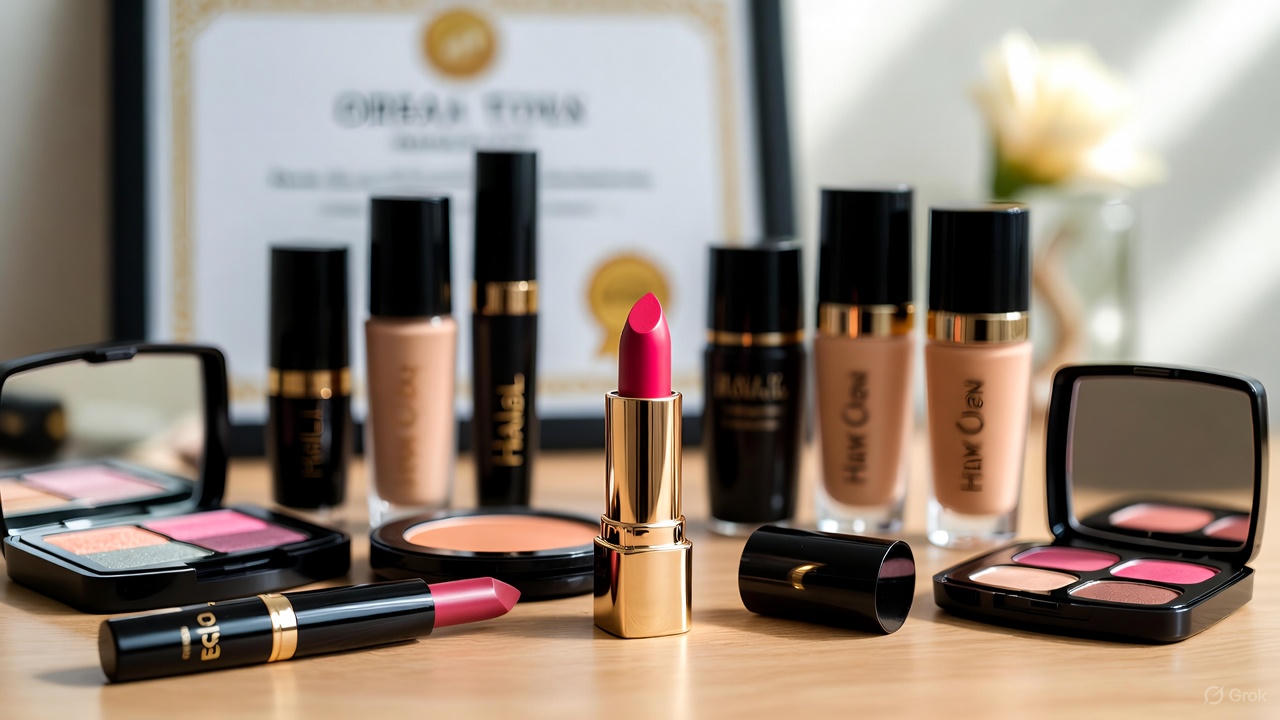
The cosmetics industry has witnessed a significant shift towards ethical and sustainable practices, reflecting the values of consumers who prioritize their health and beliefs. Among these trends, halal cosmetics have emerged as a prominent choice for many. With a focus on purity and ethical sourcing, halal cosmetics not only cater to Muslim consumers but also attract a broader audience interested in natural, cruelty-free products.
What Are Halal Cosmetics?
Halal cosmetics refer to makeup and personal care products formulated in accordance with Islamic law, which dictates certain standards for beauty and hygiene. These products guarantee that all ingredients are permissible (halal) and free from any harmful or animal-derived substances that do not comply with Islamic guidelines. This appeal extends beyond the Muslim community, as non-Muslim consumers increasingly seek out these products for their ethical and natural formulations.
The Importance of Halal Certification
Halal cosmetics certification is a process that ensures products meet specific halal standards. This certification can only be provided by recognized certifying bodies, which rigorously inspect ingredients and manufacturing processes to verify compliance with halal requirements. By obtaining halal certification for cosmetics, brands signal their commitment to quality and ethical practices, gaining trust from consumers.
Many cosmetic brands desire halal certification in cosmetics as a means to tap into the growing market of conscientious buyers. As consumer awareness around halal products increases, brands are feeling the pressure to conform to these standards, enabling them to compete effectively in an evolving market landscape.
The Rise of Halal Certification in the Beauty Industry
The global halal cosmetics market is projected to expand significantly in the coming years. This growth is fueled by the increasing demand for transparency, safety, and ethical consumerism. Consumers are more informed and are demanding products that align with their values.
Achieving cosmetics halal certification allows brands to stand out in a crowded marketplace. It reflects a commitment to quality, ethics, and compliance with longstanding cultural and religious practices. By offering halal-certified products, brands can attract a diverse customer base, including those who prioritize vegan and cruelty-free options.
Key Benefits of Halal Cosmetics
- Clean Ingredients: Many halal-certified products prioritize natural and organic ingredients. As a result, consumers benefit from products that often contain fewer harmful chemicals.
- Inclusive Choices: Halal cosmetics offer a range of options suitable for various skin types and tones, appealing to a broad audience that includes not only Muslims but also those interested in ethical beauty.
- Cruelty-Free Assurance: Many halal standards prohibit testing on animals, aligning with the growing demand for cruelty-free cosmetics.
Challenges Faced by Brands
While the benefits are clear, brands face several challenges in pursuing halal cosmetics certifications. Understanding the specific requirements and maintaining compliance can be complex. Different certifying bodies may have varying standards, leading to confusion among manufacturers and consumers alike.
Additionally, brands may underestimating the costs associated with halal cosmetics certifications. From sourcing halal-certified ingredients to undergoing the certification process itself, the financial investment can be significant. However, the long-term advantages of accessing a lucrative market segment often outweigh these initial costs.
Halal Certified Cosmetic Ingredients
To comply with halal standards, manufacturers must be mindful of the ingredients used in their products. Certain components, such as certain alcohols and animal derivatives, are deemed non-permissible. Brands must ensure that all ingredients are halal-certified or derived from permissible sources.
This consideration extends beyond product formulation. Brands must also be transparent about their sourcing and manufacturing processes. Consumers have the right to know what they are putting on their skin, which is where certifications like halal certified cosmetic ingredients come into play.
The Future of Halal Cosmetics
The future looks promising for halal cosmetics as awareness and interest continue to grow. Brands are recognizing the potential for expansion by providing products that align with consumer preferences for quality, ethics, and sustainability.
Halal cosmetics are no longer just a niche market. They are becoming a mainstream option for many consumers who value ethical branding and natural ingredients. As more brands commit to obtaining halal certifications and integrating ethical practices, the landscape of the beauty industry will continue to shift to favor these sustainable choices.
The Role of Technology
Technology plays a critical role in the advancement of halal cosmetics. From improving supply chain transparency to enhancing product development, technology offers solutions to meet the demands of an evolving consumer base. Online platforms and e-commerce also enable brands to reach a global audience, providing easy access to halal-certified products.
Innovations in labelling and tracking systems can help brands maintain adherence to halal standards. As consumers increasingly look for reliable information and proof of certifications, brands need to ensure they communicate their halal status clearly.
Conclusion
As halal cosmetics gain traction, both brands and consumers stand to benefit. With a growing emphasis on ethical beauty, transparency, and quality, manufacturers pursuing cosmetics and personal care certification are paving the way for a bright future. Meeting the demand for halal-certified products not only satisfies a growing consumer base but also fosters an environment of trust and integrity within the beauty industry.
Moreover, as the fragrance of halal certified products continues to rise, enthusiasts are encouraged to embrace innovations in the broader scope of the halal watch world, integrating ethical beauty with lifestyle choices.
In summary, halal cosmetics represent an important shift towards responsible consumption, driving change in the industry while responding to the needs of a conscious and diverse market.