Introduction
You see embroidered logos everywhere—on company polos, branded hats, and team jackets. The textured, professional look is instantly recognizable. But have you ever wondered how a digital image from a computer becomes a physical design made of thread? The secret lies in a crucial behind-the-scenes process that is the true backbone of modern embroidery. This process is called Digitizing Embroidery. If you’re thinking about creating custom embroidered goods, understanding this fundamental step is the difference between a flawless, durable emblem and a disappointing, puckered mess. This guide will break down everything you need to know, demystifying the art and science of turning your idea into stitches.
So, What Exactly Is Digitizing Embroidery?
Let’s clear up a common misconception right away. Digitizing is not simply uploading an image file to an embroidery machine. An embroidery machine is not an inkjet printer for thread. It’s a sophisticated tool that needs a very specific set of instructions to operate.
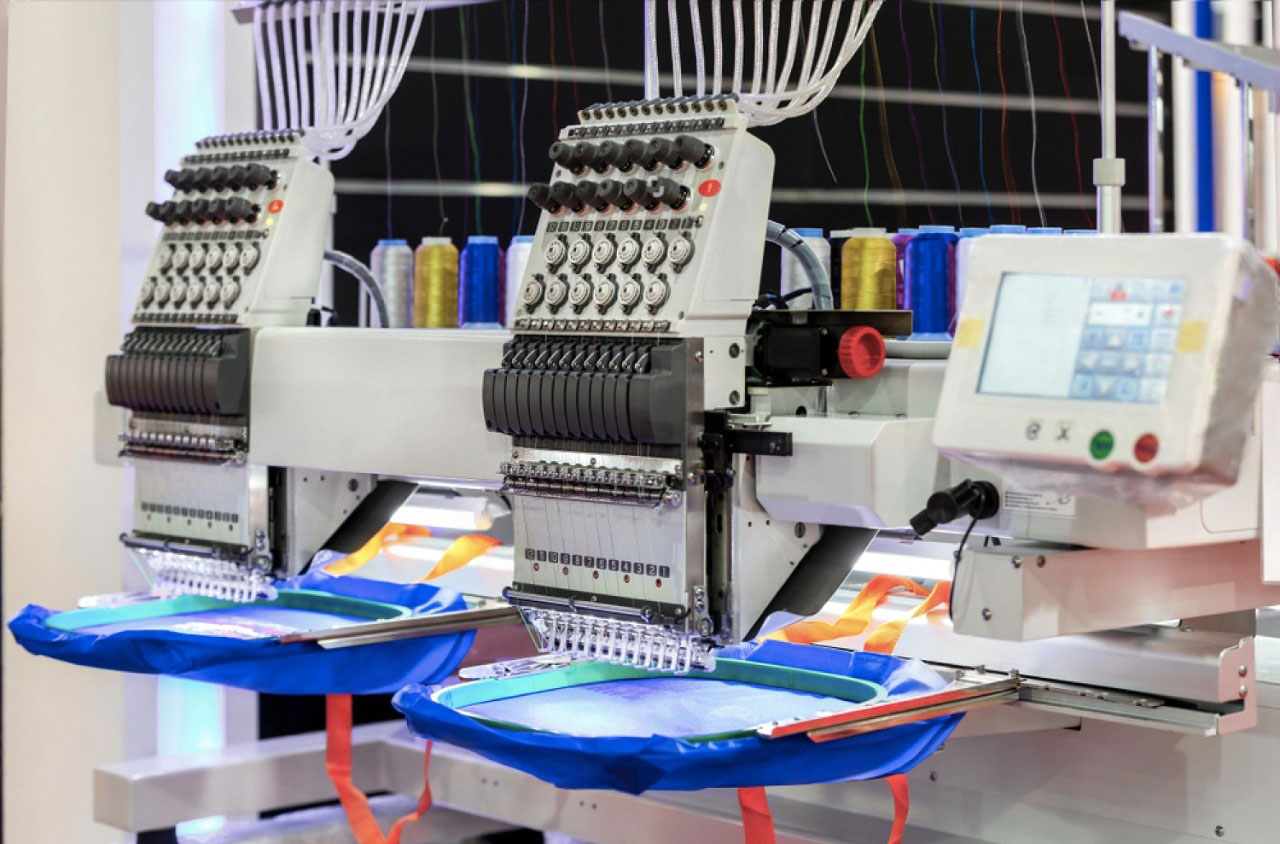
Digitizing Embroidery is the process of converting a piece of artwork into a digital file that an embroidery machine can read. This file acts as a detailed map or a set of blueprints, telling the machine exactly where to move the needle, what type of stitch to form, what color thread to use, and in what sequence to sew everything.
A person who does this, an embroidery digitizer, doesn’t just use a “convert” button. They use specialized software to manually plot the stitch path for the entire design. They make hundreds of decisions about stitch type, direction, density, and sequence to ensure the final stitched product looks exactly like the original artwork and holds up well over time. In short, digitizing is the act of programming the embroidery machine, stitch by stitch.
Why Can’t I Just Use a JPEG File?
This is the most frequent question beginners ask. The answer lies in the fundamental difference between how a printer works and how an embroidery machine operates.
A printer renders an image by placing tiny dots of ink (pixels) onto a flat surface. It doesn’t care about the order it places the dots. An embroidery machine, however, is a mechanical device dealing with a flexible, three-dimensional medium: fabric and thread.
It must sew in a logical sequence to:
-
Prevent the thread from constantly breaking.
-
Avoid excessive jumps and trims that weaken the design.
-
Manage the tension and pull on the fabric to prevent distortion.
-
Create a design that is both beautiful and structurally sound.
A JPEG or PNG file contains zero information about stitch sequence, stitch type, or how to handle fabric pull. It only contains color and pixel data. The digitizing process translates that visual information into a functional, mechanical language the machine understands, typically as specialized file formats like .DST, .PES, or .EXP.
The Key Elements of a Digitized File
When a digitizer creates your file, they are engineering a design with several core components. Understanding these will help you appreciate the skill involved and communicate better with digitizing services.
1. Stitch Types: The Building Blocks
A digitizer has a toolbox of stitch types, and choosing the right one for each part of your design is crucial.
-
Run Stitch: A simple, single line of stitching. It’s perfect for fine details, outlines, and text that is too small for other stitch types.
-
Satin Stitch (or Column Stitch): Characterized by long, smooth stitches that lie side-by-side. This creates a glossy, solid appearance. Satin stitches are ideal for text, borders, and any design element that is relatively narrow (usually under 10mm).
-
Fill Stitch (or Tatami Stitch): A pattern of running stitches that zig-zag back and forth to fill a larger area. It creates a flat, textured matte finish, much like woven fabric. This is used for the solid background of a shape or larger design elements.
2. Underlay: The Invisible Foundation
This is arguably the most technically important part of digitizing. Underlay is a series of stitches sewn before the top stitches. It has several critical jobs:
-
Stabilizes the Fabric: It anchors the material to the stabilizer (a backing material), preventing the top stitches from sinking in and causing the fabric to pucker.
-
Creates a Base: It provides a firm, even surface for the top stitches to lie on, which improves the final texture and can allow for less dense top stitching.
-
Manages Push/Pull: It helps counteract the natural forces of the top stitches that can distort the design.
A design without proper underlay is like a house built without a foundation—it will quickly warp and fail.
3. Stitch Direction and Density
-
Direction: The angle of the stitches can affect the look and strength of the design. Changing the direction in different sections can create visual interest and help balance the internal pull on the fabric.
-
Density: This refers to how closely packed the stitches are. Too dense, and the design becomes stiff and can damage the fabric. Not dense enough, and the fabric will show through, creating a weak, spotty appearance. A skilled digitizer finds the perfect balance for the specific garment.
4. Pull Compensation: Accounting for Fabric Movement
Fabric is not static. The needle and thread constantly push and pull on it, causing it to contract slightly. If the digitizer doesn’t account for this, small gaps can appear between color sections, and shapes can become distorted.
Pull compensation is the digitizer’s way of “outsmarting” the fabric. They deliberately make shapes in the digital file slightly larger than intended. When the stitches are sewn and the fabric pulls, the design contracts into its perfect, intended size and shape.
The Digitizing Workflow: From Art to Action
So, what does the actual process look like?
-
Artwork Submission: You provide the digitizer with your logo, ideally in a vector format (AI, EPS, SVG) for the cleanest results.
-
Consultation: The digitizer assesses the design for suitability and asks about the target fabric and final size.
-
Manual Digitizing: The digitizer uses software to manually plot the stitch path, assigning stitch types, setting the underlay, and building the sequence.
-
File Creation & Testing: They output the machine file (e.g., .DST) and often stitch out a sample to check for any issues.
-
Revisions & Final Delivery: Based on the test, they make any necessary tweaks and then send you the final, production-ready file.
DIY vs. Professional Digitizing: A Critical Choice
You can find auto-digitizing software that promises instant results. These programs automatically generate a stitch file from an image. While tempting, the results are almost always poor. The software cannot make nuanced decisions about underlay, pull compensation, or stitch sequence for different fabrics. You typically get a file with excessive, inefficient stitches that looks messy and can damage garments.
For any business or serious hobbyist, investing in professional digitizing is non-negotiable for quality results. It ensures your design is not only beautiful but also durable and optimized for production.
Conclusion
Digitizing Embroidery is the essential bridge between your digital artwork and a physical, stitched masterpiece. It is a specialized craft that combines artistic vision with technical engineering. By understanding that it’s a form of programming—not just file conversion—you empower yourself to make better decisions, communicate effectively with digitizers, and ultimately achieve the high-quality embroidered products you envision. Before you start your next embroidery project, remember that a great digitized file is the first stitch in creating something truly exceptional.