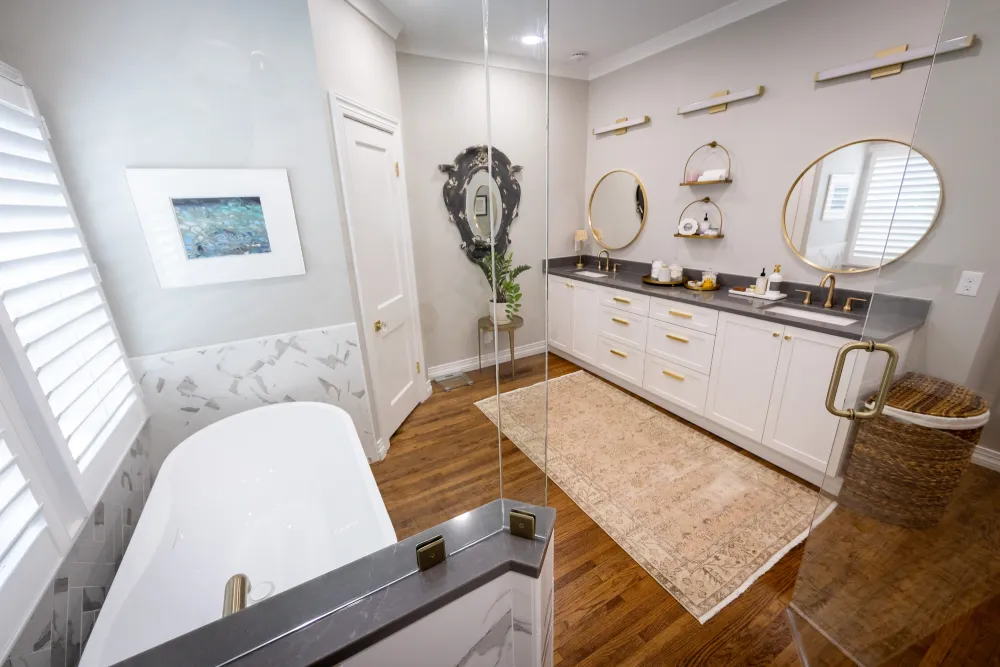
Modern bathrooms have shifted far beyond basic utility spaces and now serve as essential areas for comfort, hygiene, and personal care. Outdated layouts often reduce convenience and create daily challenges related to storage, lighting, and accessibility. Upgrading through Bathroom Remodeling Services helps transform inefficient spaces into functional and visually balanced environments. Remodeling improves structure, supports modern design expectations, and resolves hidden issues that often go unnoticed. A well-planned bathroom upgrade also contributes to better organization, improved safety, and long-term property value while supporting a more comfortable and practical lifestyle within the home.
Assess Current Bathroom Condition
A detailed assessment of the existing bathroom sets the foundation for any successful remodeling project. This step includes evaluating plumbing systems, wall surfaces, flooring conditions, and fixture performance. Many older bathrooms contain issues such as water leakage, mold buildup, and outdated electrical systems that affect both safety and functionality. Identifying these concerns early helps avoid unexpected repair costs later in the project. Careful inspection also highlights design limitations and inefficient layouts. This stage ensures that remodeling decisions are based on real structural needs, resulting in a more reliable and efficient transformation process.
Set Clear Remodeling Goals
Establishing clear remodeling goals ensures that every decision supports a unified direction. Some homeowners focus on improving storage capacity, while others prioritize updated aesthetics or better energy efficiency. Defining these goals helps guide design choices, material selection, and budget allocation. A structured plan prevents unnecessary changes during construction and keeps the project organized. Clear objectives also support better communication with contractors, ensuring expectations remain aligned. This step plays a key role in achieving a bathroom design that balances functionality, style, and long-term practicality without compromising essential requirements.
Plan Layout and Design Structure
Bathroom layout significantly affects usability and comfort. Poorly arranged fixtures can restrict movement and reduce efficiency during daily routines. Remodeling provides an opportunity to redesign the space for improved flow between essential areas such as the sink, shower, and toilet. Proper layout planning also considers lighting placement, mirror positioning, and ventilation improvement. A well-structured design enhances openness and creates a more organized environment. Thoughtful spacing and fixture arrangement ensure that the bathroom remains both practical and visually appealing while supporting modern lifestyle requirements and daily convenience.
Select Durable Materials and Fixtures
Material and fixture selection directly influences durability, maintenance, and overall appearance. High-quality tiles, moisture-resistant surfaces, and strong countertops ensure long-lasting performance even in high-humidity environments. Fixtures such as faucets, sinks, and shower systems should combine water efficiency with modern design appeal. Choosing durable materials reduces repair needs and improves hygiene over time. Consistent design themes across all elements create visual harmony within the space. Careful selection also ensures that the bathroom maintains its functionality and appearance for years, reducing the need for frequent upgrades or replacements.
Improve Efficiency and Safety Features
Efficiency and safety remain essential components of modern bathroom remodeling. Energy-efficient lighting systems and water-saving fixtures help reduce utility costs while supporting responsible resource usage. Proper ventilation systems prevent moisture buildup, reducing the risk of mold and structural damage. Safety upgrades such as slip-resistant flooring and well-positioned lighting improve usability for all age groups. Electrical and plumbing improvements further increase reliability and reduce long-term maintenance concerns. These combined enhancements create a secure, efficient, and comfortable bathroom environment that supports daily use with reduced risks and improved performance.
Plan Budget and Work With Professionals
A well-structured budget ensures smooth project execution without financial strain. Cost planning includes materials, labor, permits, and design adjustments. Prioritizing essential upgrades over optional features helps maintain financial control throughout the project. Professional contractors bring technical expertise that ensures accurate installation, efficient workflow, and high-quality results. Skilled professionals also help identify potential issues early, reducing delays and costly mistakes. Clear communication between homeowners and contractors supports better project management. A balanced combination of budgeting and professional support leads to a more efficient remodeling process and a durable final outcome.
Improve Storage and Space Efficiency
Storage plays a major role in bathroom functionality, especially in compact spaces. Remodeling allows the integration of smart storage solutions such as built-in shelves, floating cabinets, and hidden compartments. These features help reduce clutter and create a more organized environment. Efficient storage design ensures that essential items remain accessible without overcrowding the space. Proper planning also improves movement within the bathroom, making daily routines smoother. A well-organized layout contributes to both visual appeal and practical usability, ensuring the bathroom remains clean, functional, and easy to maintain.
Follow Modern Design and Comfort Trends
Modern bathroom design trends focus on simplicity, comfort, and efficiency. Features such as frameless glass showers, neutral color palettes, and minimalist fixtures continue to gain popularity. Remodeling allows homeowners to incorporate these design elements while maintaining functionality. Comfort-focused upgrades such as heated flooring, improved lighting systems, and ergonomic fixtures create a more relaxing environment. Staying aligned with current trends ensures the bathroom remains visually appealing and relevant over time. A combination of modern design and comfort features transforms the space into a balanced environment that supports both style and everyday use.
Conclusion:
Bathroom remodeling delivers long-term advantages that extend beyond visual improvement. It enhances functionality, increases property value, and resolves structural concerns that may develop over time. A well-executed remodel improves daily comfort by optimizing layout, lighting, and storage efficiency. These upgrades also reduce maintenance requirements and improve overall durability. Thoughtful planning ensures that the bathroom remains practical and adaptable to future needs while maintaining a modern appearance that supports long-term usability and lifestyle satisfaction.