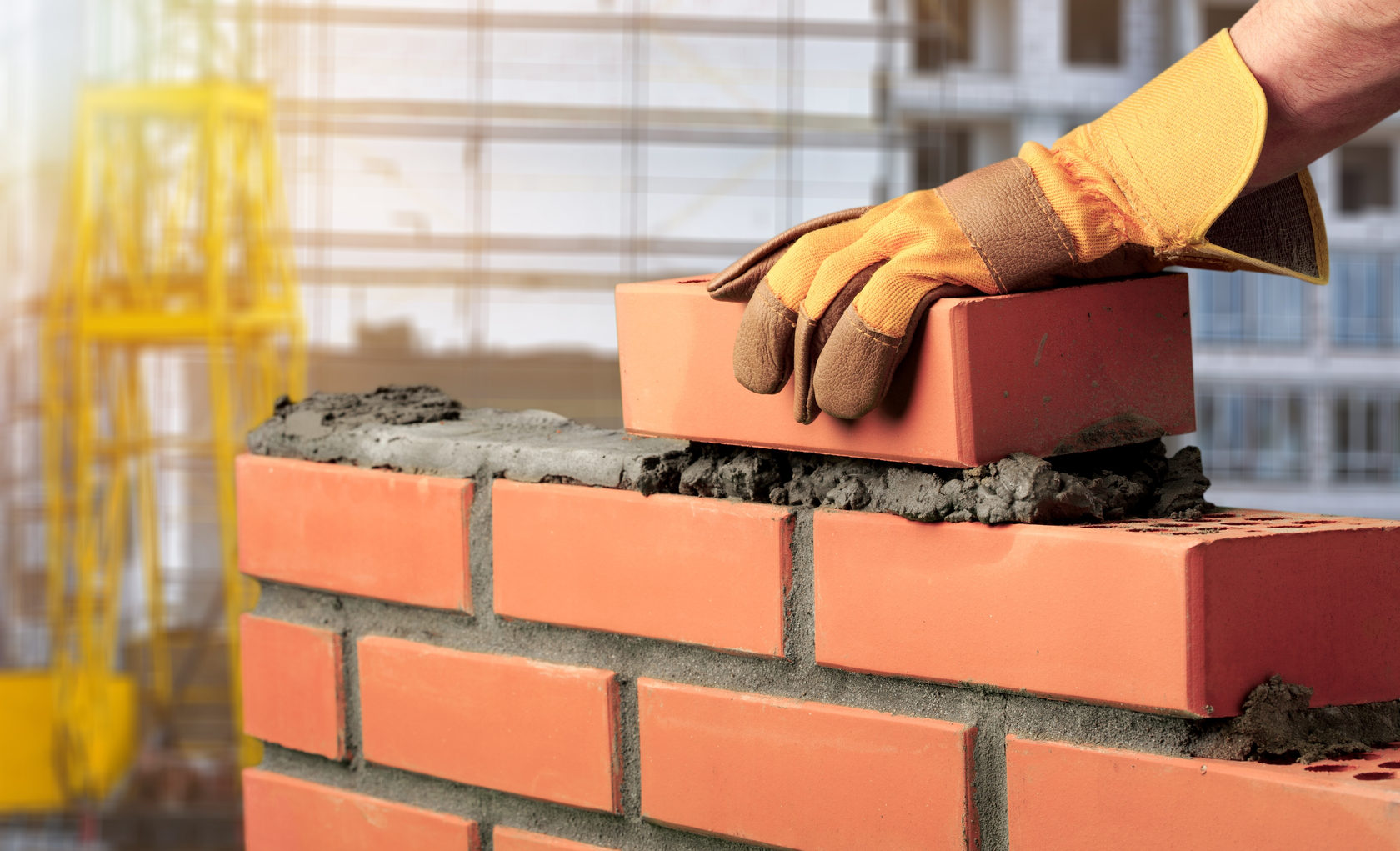
Masonry maintenance protects both appearance and structural integrity for homes and commercial properties. Damaged bricks, stones, and concrete can weaken walls and create costly problems if not addressed promptly. New Jersey masonry contractors highlight that regular inspections and timely repairs prevent moisture penetration, structural damage, and accelerated deterioration. Addressing minor issues early keeps masonry stable and preserves property value, helping owners avoid expensive restoration work.
Common Signs Your Masonry Needs Repair
Cracks in bricks or stones indicate stress or settling issues. Crumbling or missing mortar joints reduce structural strength. Water stains or moisture marks can signal leaks or drainage problems. Walls that bulge or lean may reflect foundational movement. Deteriorating chimneys or uneven walkways point to ongoing masonry damage. Recognizing these signs early allows homeowners to take corrective measures before problems escalate.
Why Early Masonry Repairs Matter
Small cracks or gaps allow water to infiltrate masonry surfaces. Freeze-thaw cycles expand water inside cracks, accelerating deterioration. Ignoring minor damage may lead to wall instability, foundation issues, or safety hazards. Timely repairs preserve both strength and appearance. Moisture penetration can damage interior walls and floors, while weather exposure worsens surface wear. Early attention minimizes repair costs and maintains long-term stability of masonry structures.
Expert Masonry Repair Tips for Long-Lasting Results
Regular inspections identify cracks, gaps, and displaced stones before serious damage occurs. Repointing damaged mortar restores structural strength and prevents water intrusion. Broken bricks should be replaced promptly to avoid further cracking. Applying high-quality sealants prevents moisture penetration and protects surfaces from harsh weather. Clean gutters and downspouts regularly to prevent water buildup near masonry walls. Matching repair materials ensures uniform appearance and durability. Complex or extensive repairs should be handled by experienced professionals to achieve lasting results.
The Importance of Using Quality Materials
Durable masonry repairs require premium materials. Low-quality mortar, bricks, or sealants wear quickly and can cause uneven finishes. Matching new materials with existing masonry ensures consistent appearance and strength. High-quality products resist weather damage and minimize future maintenance needs. Using proper stones, bricks, and sealants also reduces the risk of cracks, water damage, and accelerated deterioration, keeping masonry surfaces safe and visually appealing for years.
Seasonal Maintenance Tips for Masonry Structures
Inspect masonry after winter for cracks or water damage caused by freezing temperatures. Cleaning surfaces removes dirt, mold, and mildew that can weaken mortar. Trim trees and plants near walls to prevent moisture retention and debris accumulation. Examine chimneys, retaining walls, and patios annually for early signs of deterioration. Reapply sealants when surfaces appear worn or cracked. Consistent seasonal maintenance preserves masonry strength, prevents water infiltration, and maintains aesthetic quality.
Common Mistakes in Masonry Repairs
Using improper mortar or mismatched bricks leads to uneven finishes and weak joints. Ignoring water drainage problems can worsen cracks and wall movement. DIY repairs without proper tools or skills may result in further damage. Skipping regular inspections allows small issues to become major structural problems. Professionals avoid these mistakes by applying correct materials and techniques for each repair. Proper execution ensures masonry durability, safety, and appearance over time.
When to Call a Masonry Professional
Minor cracks and small-scale mortar repairs can sometimes be handled by homeowners. Major issues such as foundation cracks, bulging walls, or extensive water damage require professional evaluation. Licensed masonry contractors provide precise repairs, using appropriate materials and techniques. Professionals assess structural integrity, prevent further damage, and restore masonry surfaces to their original strength and appearance. Timely intervention from experts reduces repair costs and prevents recurring problems.
Benefits of Regular Masonry Inspections
Routine inspections help identify hidden cracks, deteriorated mortar, and moisture infiltration. They prevent structural problems from escalating. Inspections can extend the life of walls, chimneys, and patios while maintaining property value. Identifying issues early allows for targeted repairs, minimizing disruption and cost. Professional evaluations also reveal potential risks related to weather, soil movement, and water drainage that homeowners might miss.
How to Maintain Masonry Between Repairs
Keeping masonry surfaces clean prevents mold, mildew, and dirt buildup. Checking gutters and downspouts prevents water accumulation near foundations. Controlling vegetation reduces moisture retention and root damage. Reapplying sealants as surfaces age protects against water penetration and temperature fluctuations. Regular observation for cracks, bulges, or stains ensures early detection of problems. Simple maintenance tasks between major repairs prolong the life of masonry and maintain a polished appearance.
Long-Term Considerations for Masonry Durability
Properly repaired and maintained masonry resists water damage, temperature stress, and structural movement. Using materials that match original construction ensures visual consistency. Timely repointing, brick replacement, and sealing prevent deterioration and reduce the need for major repairs. Maintaining gutters and trimming vegetation prevents moisture-related damage. Regular professional inspections guarantee that masonry surfaces remain secure and aesthetically consistent over decades.
Conclusion
Routine inspections, minor repairs, and seasonal maintenance keep masonry strong and visually appealing. Addressing cracks, damaged mortar, and water infiltration early prevents expensive restoration and structural issues. Using high-quality materials and hiring experienced New Jersey masonry contractors ensures repairs are durable and reliable. Property owners who act promptly maintain long-lasting masonry surfaces while protecting their investment and safety.
FAQs
How often should masonry be inspected?
Annual inspections reveal cracks, crumbling mortar, and water damage before major repairs are needed.
Can homeowners perform minor masonry repairs?
Small cracks and minor repointing are manageable, but structural or extensive damage requires professionals.
What materials are best for masonry repairs?
Premium mortar, matching bricks, stones, and sealants provide long-lasting strength and uniform appearance.
How does seasonal maintenance protect masonry?
Cleaning surfaces, inspecting after winter, and trimming plants prevent moisture-related deterioration.
When should a masonry contractor be called?
Foundation cracks, bulging walls, and significant water damage need expert evaluation and repair.