The Rise of Omnichannel Distribution in Pakistan
The retail landscape in Pakistan is evolving rapidly, with brands increasingly selling through both online and offline channels. To succeed in this complex environment, businesses need a distribution strategy that seamlessly integrates multiple touchpoints. This is where end-to-end marketplace services come into play, enabling brands to manage sales, inventory, and customer interactions across channels efficiently.
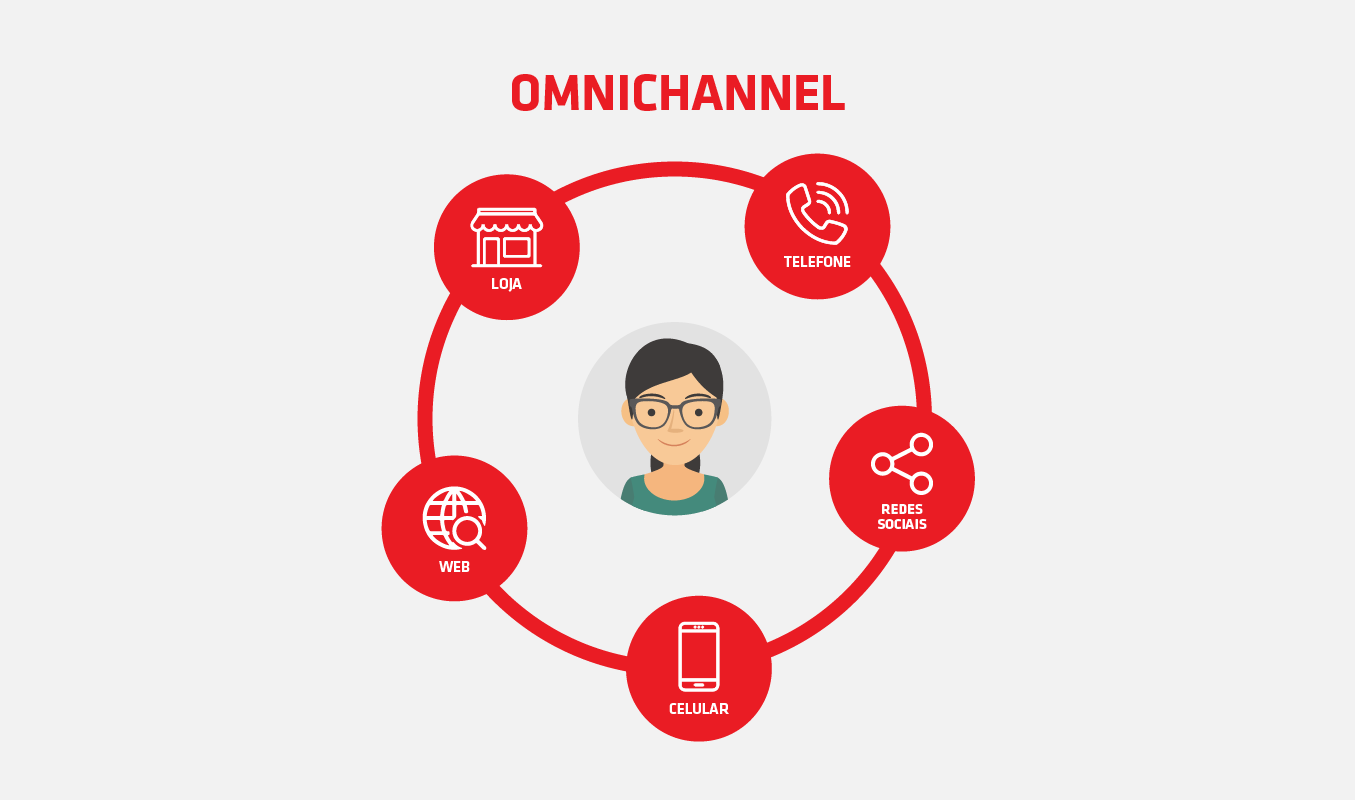
Omnichannel distribution is more than just selling on different platforms. It is about creating a unified experience for customers, whether they shop online, in a physical store, or through a marketplace. Brands that adopt this approach can respond to changing consumer preferences, optimize operational efficiency, and increase revenue. By leveraging end-to-end marketplace services, Pakistani businesses can achieve the scale and consistency required to compete in a modern retail environment.
Understanding Omnichannel Distribution
Omnichannel distribution connects online marketplaces, D2C platforms, and physical retail locations into a single operational ecosystem. This approach ensures that inventory, orders, and customer data are synchronized across all channels. For brands selling both online and offline, this integration reduces errors, prevents stockouts, and allows for more efficient fulfillment.
End-to-end marketplace services are essential in enabling this level of integration. These services manage inventory updates, order processing, and delivery coordination across multiple sales channels. By providing a single platform to manage complex operations, brands can maintain consistency and reliability while expanding their reach.
In Pakistan, where infrastructure and logistics can pose challenges, adopting an omnichannel strategy with professional support ensures that brands can meet customer expectations without overextending internal resources.
The Benefits of Omnichannel for Pakistani Brands
For Pakistani brands, omnichannel distribution offers several advantages. First, it increases sales opportunities by making products available across multiple touchpoints. Customers can choose how and where they want to shop, whether on marketplaces, brand websites, or physical stores.
Second, omnichannel operations improve inventory utilization. With end-to-end marketplace services, stock levels are updated in real time across all channels. This prevents overstocking in one channel and shortages in another, improving operational efficiency and reducing costs.
Third, the approach enhances the customer experience. Consistency in pricing, promotions, and availability ensures that customers receive the same level of service regardless of the channel they use. By using end-to-end marketplace services, brands can create seamless and reliable shopping experiences that drive loyalty and repeat purchases.
How Technology Supports Omnichannel Distribution
Technology is the backbone of successful omnichannel operations. Integrated systems like OMS, ERP, and POS platforms are essential for synchronizing inventory, processing orders, and tracking customer interactions across channels. Without proper integration, brands risk operational inefficiencies and customer dissatisfaction.
End-to-end marketplace services incorporate these technologies to automate workflows and provide real-time visibility. For example, when a product is sold online, inventory is immediately updated for physical stores, marketplaces, and other channels. This automation ensures accuracy and reduces the need for manual intervention.
Moreover, technology allows brands to gather insights from multiple sales channels. Analytics provided by end-to-end marketplace services help businesses understand consumer behavior, optimize inventory, and plan marketing strategies effectively. This data-driven approach is particularly valuable in Pakistan’s competitive eCommerce and retail markets.
The Role of Marketplaces in Omnichannel Strategy
Marketplaces like Daraz and Foodpanda are central to many Pakistani brands’ omnichannel strategies. These platforms provide access to large audiences and handle complex logistics, making them an ideal complement to D2C and physical retail operations.
End-to-end marketplace services ensure that brands can manage listings, inventory, and orders efficiently across these platforms. By centralizing operations, businesses can maintain consistency in pricing, product availability, and customer service. This not only improves operational efficiency but also strengthens brand reputation.
For emerging brands, marketplaces can serve as a growth engine. By leveraging end-to-end marketplace services, companies can scale quickly, reaching customers nationwide without significant upfront investment in logistics or technology.
Enhancing Customer Experience Through Omnichannel Distribution
Customer expectations are higher than ever, and omnichannel distribution directly addresses these demands. Shoppers expect convenience, fast delivery, and consistent service regardless of the channel. Brands that can meet these expectations gain a competitive edge.
With end-to-end marketplace services, businesses can ensure timely order fulfillment, accurate inventory management, and reliable customer communication. Customers can enjoy flexible options like buying online and picking up in-store or returning items through any preferred channel. This seamless experience enhances satisfaction and builds loyalty, which is critical in a crowded market.
Omnichannel distribution also enables personalized marketing. By analyzing data across channels, brands can offer targeted promotions and recommendations, improving engagement and sales. End-to-end marketplace services provide the systems and analytics necessary to make these strategies actionable.
Operational Challenges and How to Overcome Them
Managing multiple channels introduces complexity. Brands must coordinate inventory, logistics, pricing, and customer service across online and offline touchpoints. Without proper systems, errors, delays, and inefficiencies can quickly escalate.
End-to-end marketplace services help overcome these challenges by providing a centralized platform for all operations. Inventory updates, order processing, and delivery tracking are automated, reducing human error and increasing reliability. Brands can also leverage reporting and analytics to identify bottlenecks and optimize processes.
In Pakistan, operational challenges can include varying delivery infrastructure, fluctuating demand, and regional regulatory differences. Professional end-to-end marketplace services help brands navigate these obstacles while maintaining high service levels and operational efficiency.
How Rholab Enables Omnichannel Success
Rholab has positioned itself as a key partner for Pakistani brands looking to implement successful omnichannel strategies. By offering end-to-end marketplace services, Rholab ensures seamless integration of online and offline operations.
The company supports inventory management, order processing, logistics coordination, and performance analytics. This allows brands to focus on growth and customer engagement while Rholab handles the complexities of operational management.
Rholab also emphasizes customization and scalability. Whether a brand is new to digital channels or expanding its marketplace presence, end-to-end marketplace services are tailored to meet specific business needs, providing both operational efficiency and strategic insight.
The Future of Omnichannel Distribution in Pakistan
The future of retail in Pakistan is omnichannel. As consumer expectations rise, brands will need to offer integrated experiences across online and offline channels. End-to-end marketplace services will be critical in enabling this transition, ensuring that operations remain efficient and scalable.
Technology, data analytics, and automated workflows will continue to evolve, making omnichannel distribution more accessible and efficient. Brands that adopt these solutions early, with support from providers like Rholab, will gain a competitive advantage in both digital and physical retail spaces.
Sustainability and operational efficiency will also play a greater role. Optimized logistics, better inventory management, and data-driven planning enabled by end-to-end marketplace services will help brands reduce waste and costs while improving customer satisfaction.
Conclusion: Omnichannel as a Strategic Imperative
For Pakistani brands selling both online and offline, omnichannel distribution is no longer optional—it is a strategic necessity. By integrating operations across all sales channels, businesses can improve efficiency, expand reach, and enhance the customer experience.
End-to-end marketplace services are central to achieving these goals. Rholab provides the expertise, technology, and support needed to implement seamless omnichannel operations, allowing brands to focus on growth and strategy.
In a competitive market, brands that adopt omnichannel distribution with professional support will not only increase revenue but also build loyalty and long-term sustainability. The next leap for Pakistani brands is clear: integrated, efficient, and customer-centric distribution enabled by expert end-to-end marketplace services.