Motorcycle riding exposes riders to constantly changing weather conditions, road environments, and temperature variations. Because riders are not protected by a vehicle cabin, the choice of riding apparel directly influences comfort, safety, and long-distance performance. Among modern riding garments, motorcycle vests provide a versatile solution that balances mobility, airflow, and protective layering.
A motorcycle vest functions as a modular component within a rider’s gear system. It provides torso coverage while allowing freedom of arm movement, making it particularly effective when adapting to seasonal riding conditions. Riders often combine vests with base layers, armored garments, or jackets to create flexible gear configurations.
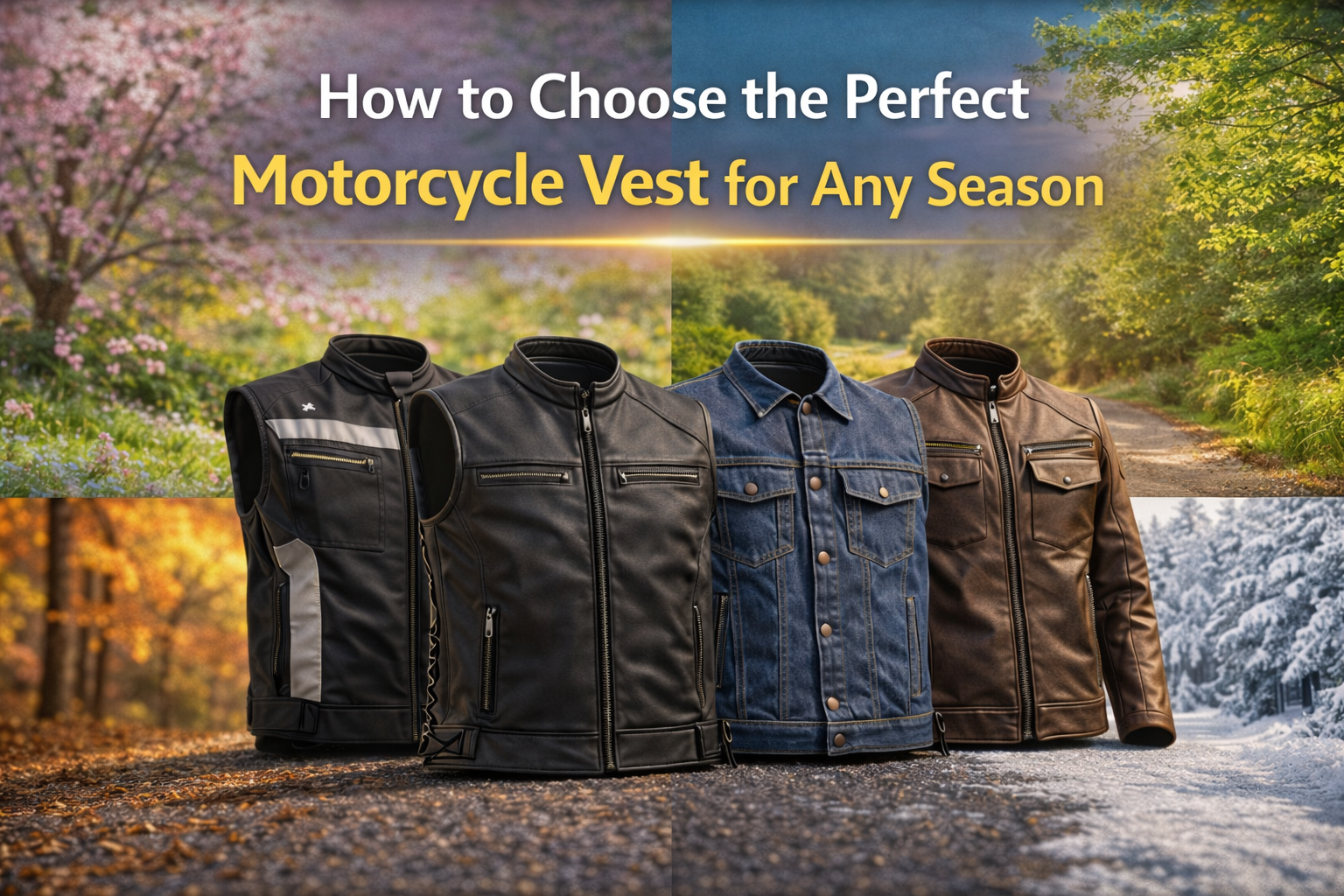
Two widely used vest categories that address different seasonal needs are the Textile Motorcycle Vest and Denim Motorcycle Vests. These garments are designed with specific materials and construction techniques that influence ventilation, durability, and comfort throughout the year.
Understanding how to evaluate motorcycle vests based on climate, riding style, and material properties helps riders select equipment that performs reliably in every season.
The Role of Motorcycle Vests in Seasonal Riding Systems
Motorcycle protective apparel is commonly organized using a layered approach. This system allows riders to regulate body temperature while maintaining appropriate protection levels during different weather conditions.
A typical seasonal riding system may include:
-
Moisture-wicking base layers for temperature control
-
Protective or armored mid-layers
-
Outer layers such as jackets or vests for durability and utility
Motorcycle vests provide an adaptable outer layer that improves airflow while maintaining abrasion resistance in the torso area. According to motorcycle safety research referenced by transportation authorities such as the National Highway Traffic Safety Administration (NHTSA), protective clothing significantly reduces injury severity by limiting abrasion exposure during accidents.
Vests also provide practical storage features, improved ventilation, and compatibility with multiple types of riding gear.
Textile Motorcycle Vest: A Seasonal Performance Solution
Material Technology and Construction
The Textile Motorcycle Vest is designed using high-performance synthetic materials that balance durability with lightweight comfort. These fabrics are commonly used in technical riding gear due to their resistance to wear and environmental stress.
Typical materials include:
-
High-denier polyester fabrics
-
Ballistic nylon reinforcement
-
Cordura® abrasion-resistant textiles
-
Mesh ventilation panels
These materials provide structural strength while remaining significantly lighter than traditional leather garments.
Advantages in Warm and Transitional Seasons
Textile vests perform especially well during spring, summer, and early autumn rides. Their construction prioritizes airflow and temperature regulation.
Key seasonal advantages include:
-
Increased ventilation during hot weather
-
Reduced moisture retention after rain exposure
-
Lightweight construction that minimizes fatigue
-
Quick adaptability within layered gear systems
Touring riders and commuters often rely on textile vests because they maintain comfort during long rides when airflow becomes critical.
Typical Riding Applications
Textile motorcycle vests are commonly used in:
-
Long-distance touring rides
-
Urban commuting routes
-
Adventure riding environments
-
Warm-weather highway travel
These use cases demonstrate how technical fabrics support endurance and rider concentration.
Denim Motorcycle Vests: Balanced Comfort Across Seasons
Modern Denim Construction for Riding
Denim Motorcycle Vests combine traditional fabric durability with modern reinforcement techniques. Although denim originated as workwear, motorcycle-specific designs incorporate upgrades that improve performance on the road.
Modern denim vest construction often includes:
-
Heavyweight cotton denim blends
-
Reinforced stitching at stress points
-
Abrasion-resistant internal linings
-
Armor-compatible pockets
These features allow denim garments to function as practical riding apparel rather than casual clothing.
Seasonal Benefits of Denim Motorcycle Vests
Denim vests provide a balanced option for riders who need moderate ventilation while maintaining durability.
Seasonal benefits include:
-
Breathable fabric suitable for mild climates
-
Comfortable layering over hoodies or armored shirts
-
Consistent performance across spring and fall conditions
-
Durable construction for everyday riding
Because denim retains moderate insulation while still allowing airflow, it is often chosen for mid-season riding.
Style and Cultural Integration
Motorcycle culture has long incorporated denim garments due to their durability and customizability. Riders frequently use denim vests to display patches, identification markers, or travel insignia.
This cultural connection allows denim motorcycle vests to serve both functional and symbolic roles within riding communities.
Key Factors When Choosing a Motorcycle Vest for Any Season
Selecting a motorcycle vest requires evaluating multiple performance characteristics rather than focusing on appearance alone.
Climate Adaptability
Vests should support the environmental conditions riders experience most frequently.
Material Durability
Abrasion resistance and reinforced stitching indicate reliable protective performance.
Ventilation Design
Airflow systems such as mesh panels or breathable fabrics help maintain rider comfort during long rides.
Layer Compatibility
A vest should integrate easily with base layers, hoodies, or armored gear.
Secure Fit and Ergonomics
Proper fit prevents shifting during wind pressure and maintains stability at highway speeds.
Expert Insights and Best Practices
Professionals in motorcycle safety and apparel design emphasize structured gear selection strategies.
Prioritize Function Over Aesthetics
Protective capability and durability should guide vest selection decisions.
Match Materials to Climate Conditions
Technical textile fabrics perform best in extreme heat, while denim provides balanced seasonal comfort.
Maintain a Layered Gear System
Vests should be integrated with helmets, gloves, jackets, and protective armor.
Inspect Gear Regularly
Routine checks for worn seams, damaged closures, or weakened fabrics help maintain protective performance.
Consider Long-Term Riding Needs
Riders who travel frequently across different climates often maintain multiple vest types for seasonal adaptability.
Common Mistakes Riders Make When Choosing Vests
Assuming Vests Replace Protective Jackets
Motorcycle vests are intended as complementary layers rather than full replacements for protective jackets.
Ignoring Seasonal Riding Conditions
Choosing gear without considering climate often results in overheating or insufficient protection.
Selecting Incorrect Sizes
Loose garments can shift during high-speed riding, affecting comfort and functionality.
Prioritizing Appearance Over Construction Quality
Visual design should not outweigh fabric durability and stitching quality.
Frequently Asked Questions
1. Why are motorcycle vests useful in different seasons?
Motorcycle vests provide adaptable layering that helps regulate airflow and comfort across changing weather conditions.
2. Which vest type performs better in hot weather?
Textile motorcycle vests generally perform better in hot climates because they provide superior ventilation.
3. Are denim motorcycle vests suitable for summer riding?
They can be suitable in moderate heat, especially when paired with lightweight base layers.
4. Do motorcycle vests provide protection?
Yes. Many vests offer abrasion resistance and may include armor compatibility for additional protection.
5. How should a motorcycle vest fit?
It should fit securely around the torso while allowing comfortable breathing and movement.
6. Can motorcycle vests be worn year-round?
Yes. Riders typically adjust their base layers and outer gear to adapt the vest for different seasons.
7. Are textile motorcycle vests waterproof?
Some designs feature water-resistant coatings, although they are typically not fully waterproof.
8. Why do riders layer vests over hoodies or armored shirts?
Layering improves temperature control while maintaining protective coverage.
9. How long does a quality motorcycle vest last?
With proper maintenance, durable vests can remain functional for several years.
10. Are motorcycle vests suitable for beginner riders?
Yes. Vests provide comfort, storage, and layered protection suitable for riders at all experience levels.
Conclusion
Choosing the right motorcycle vest for year-round riding requires understanding how materials, ventilation systems, and construction quality influence performance in different climates. Textile motorcycle vests offer lightweight efficiency and superior airflow for warm environments, while denim motorcycle vests provide balanced comfort and durability for moderate seasonal conditions.
When integrated into a layered protective system, motorcycle vests enhance rider adaptability, mobility, and long-distance comfort. Selecting the appropriate vest based on climate, riding style, and material performance ensures riders remain prepared for changing road conditions throughout every season.