What Does “Sustainable Cricket Gear” Actually Mean?
The term gets used broadly, sometimes too broadly. In practice, sustainable cricket gear usually focuses on three areas:
-
Responsibly sourced raw materials
-
Reduced chemical processing and waste
-
Durability and repairability
It’s less about flashy “eco” labels and more about thoughtful production and long-term usability.
A bat made from responsibly managed willow that lasts four seasons is more sustainable than a cheaply made one replaced every year. A pair of gloves with reinforced stitching that can be repaired is better than disposable, low-cost alternatives.
Sustainability, in cricket terms, is often about slowing down.
Sustainable Cricket Bats: Beyond the Buzzwords
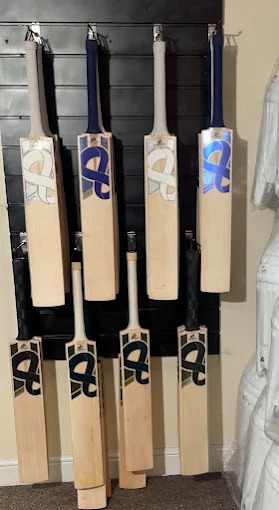
Cricket bats sit at the heart of this conversation. English willow, by its nature, is a renewable material — but only if harvested responsibly and managed well.
Many players don’t realise that sustainable bat production starts years before the bat reaches the crease. It involves:
-
Managed willow plantations
-
Careful grading to reduce waste
-
Using offcuts for training bats or secondary products
There’s also a renewed appreciation for traditional craftsmanship. The resurgence of interest in handmade cricket bats UK reflects this shift. When bats are shaped, pressed, and finished by experienced makers rather than mass-produced at speed, the result is often greater structural integrity and a longer playing life.
A common mistake I see? Players chasing ultra-light bats with exaggerated profiles. These often sacrifice structural integrity. Cracks appear earlier, edges collapse faster, and sustainability suffers as a result.
Insider Tip: Look at the Toe and Edges
If you’re evaluating a bat from a sustainability perspective, check:
-
The finishing on the toe (is it properly sealed?)
-
The density and balance rather than just weight
-
The pressing quality — too hard and it becomes brittle; too soft and it dents excessively
A well-pressed bat with moderate edges often outlasts extreme designs.
Eco-Friendly Bat Care: The Overlooked Factor
Even the most responsibly made bat becomes wasteful if neglected.
Proper care extends lifespan dramatically:
-
Oil lightly and sparingly — over-oiling weakens fibres
-
Knock in thoroughly, especially around the edges
-
Use toe guards or scuff sheets if playing on abrasive surfaces
-
Store in moderate temperatures, never in car boots
One small insight from experience: many players over-knock the middle and ignore the edges. This uneven preparation leads to premature edge splits — and a bat that’s “retired” too early.
Sustainability isn’t just about buying differently. It’s about maintaining better.
Sustainable Protective Gear: Materials Matter
Pads, gloves, and thigh guards have traditionally relied on synthetic foams and plastics. That’s changing gradually.
Manufacturers are experimenting with:
-
Recycled foam inserts
-
Bio-based PU materials
-
Reduced solvent adhesives
-
Recyclable packaging
While not every product is fully eco-friendly yet, incremental improvements are happening.
When choosing protective gear, consider:
-
Replaceable straps instead of sealed units
-
Stitching quality over glued construction
-
Breathable linings that reduce odor and extend usability
I’ve seen countless gloves discarded simply because the palm wore out while the rest remained intact. Opting for gloves with repairable palms can significantly reduce waste over time.
Clothing and Teamwear: The Quiet Revolution
Cricket whites and coloured kits are increasingly made from recycled polyester blends. On the surface, this sounds straightforward. But performance still matters — breathability, flexibility, and durability are crucial during long innings under the sun.
From a practical standpoint:
-
Check fabric density — thin recycled fabric may tear faster
-
Look for reinforced stitching around stress points
-
Wash at lower temperatures to preserve fibres
Another overlooked factor? Over-ordering team kits. Clubs often print excessive stock for tournaments. Planning accurate numbers and reusing base designs reduces unnecessary textile waste.
Repair Culture in Cricket: A Lost Art Worth Reviving
One of the most sustainable practices in cricket used to be normal: repairing gear.
Older players often recall having bats re-handled, gloves re-stitched, and pads re-strapped. Today, convenience culture encourages replacement instead.
Reintroducing repair habits can include:
-
Re-handling bats instead of replacing them
-
Patching small seam tears in gloves
-
Replacing only worn straps on pads
A well-maintained bat can easily survive a handle replacement and continue performing for seasons.
Insider Tip: Monitor Micro-Cracks Early
Tiny surface cracks on a bat aren’t the end. Address them early with light sanding and protective tape. Left unchecked, they become structural splits.
Small interventions prevent large waste.
Environmental Impact Beyond the Kit Bag
Sustainability extends beyond personal gear.
Consider:
-
Reusable water bottles instead of single-use plastics
-
Biodegradable grip tapes where possible
-
Responsible disposal of broken equipment
-
Supporting clubs that prioritise eco-conscious ground maintenance
Clubs can create simple recycling stations for worn grips, broken stumps, and damaged gear. It may seem minor, but collective habits matter.
Balancing Performance with Responsibility
One concern players raise is whether eco-friendly gear compromises performance. In my experience, it doesn’t — provided you choose carefully.
A sustainably sourced bat can perform just as well as any premium alternative. Recycled performance fabrics can offer excellent moisture management. Repairable gloves can last longer without sacrificing feel.
The key is thoughtful selection rather than marketing claims.
Before purchasing, ask:
-
How long will this realistically last me?
-
Can it be repaired?
-
Does the manufacturer prioritise durability?
These questions often reveal more than any eco-label.
A Practical Wrap-Up
Sustainable cricket gear isn’t about perfection. It’s about incremental improvement — buying fewer but better items, maintaining them properly, and repairing when possible.
From responsibly sourced willow bats to longer-lasting gloves and more conscious clothing choices, the shift is already happening. As players, we don’t need to overhaul everything overnight. We simply need to think a little more carefully about what we use and how we use it.
Cricket is a long game. Sustainability should be approached the same way — patiently, deliberately, and with respect for what will endure.
Also read for more information so click here.