Point of Sale Systems for Modern Businesses
In today’s fast-moving retail and service world, point-of-sale systems are more than just machines that process payments. They have become complete business management tools that help companies track sales, manage inventory, and understand customer behavior.
Whether you run a small shop, restaurant, pharmacy, or supermarket, the right POS system can improve efficiency and reduce manual work. In this article, we’ll explore how point of sale systems work, their key features, and how to choose the best solution for your business.
What Are Point of Sale Systems?
Point-of-sale systems are digital platforms that handle transactions between businesses and customers. They combine hardware and software to process payments and record sales data.
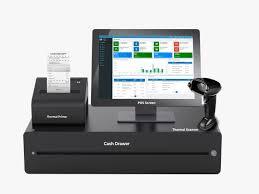
A basic POS setup usually includes:
- A computer or tablet
- Receipt printer
- Barcode scanner
- Cash drawer
- POS software
Modern point-of-sale systems go far beyond billing. They manage inventory, generate reports, and store customer data in one central system.
How Point of Sale Systems Work
When a customer makes a purchase, the POS system calculates the total amount, applies taxes or discounts, and processes the payment. The transaction is recorded automatically in the system.
At the same time, inventory updates in real time. If a product is sold, stock levels decrease instantly. This reduces the risk of selling out-of-stock items.
All sales data is stored in the system, allowing business owners to generate daily, weekly, or monthly reports.
Key Features of Modern Point of Sale Systems
Choosing the right POS system depends on features that match your business needs. Here are some essential features to consider.
Sales Tracking
Point-of-sale systems provide real-time tracking of every transaction. You can monitor total sales, best-selling products, and peak business hours.
Inventory Management
Inventory control is one of the biggest advantages. The system automatically updates stock levels, alerts you when items are low, and helps prevent overstocking.
Reporting and Analytics
Detailed reports help you understand business performance. You can analyse revenue trends, employee sales performance, and profit margins.
Multiple Payment Options
Modern POS systems support cash, credit cards, debit cards, mobile payments, and even digital wallets. This flexibility improves customer experience.
Customer Management
Some systems store customer information, purchase history, and loyalty points. This allows businesses to run targeted promotions and improve retention.
Benefits of Using Point of Sale Systems
Investing in a POS system offers several practical benefits.
Increased Efficiency
Manual billing takes time and increases the chance of errors. Point-of-sale systems automate calculations, saving time and reducing errors.
Better Financial Control
With accurate sales data and reports, business owners can monitor income and expenses more effectively.
Improved Customer Experience
Fast billing and multiple payment options create a smooth checkout process.
Reduced Human Error
Automated systems minimise pricing errors, tax miscalculations, and inventory mismatches.
For more articles, pos ireland
Types of Point of Sale Systems
Not all POS systems are the same. Different industries require different setups.
Retail POS Systems
Designed for shops and supermarkets, these systems focus on inventory management and barcode scanning.
Restaurant POS Systems
Restaurant systems manage table orders, kitchen tickets, and split billing.
Cloud-Based POS Systems
Cloud POS systems store data online. This allows business owners to access reports from anywhere with an internet connection.
Mobile POS Systems
Mobile POS systems run on tablets or smartphones. They are ideal for small businesses, pop-up stores, and service-based businesses.
Choosing the right type depends on the size and nature of your operations.
How to Choose the Right POS System
Before selecting a POS solution, consider the following factors:
Business Size
Small businesses may need simple billing and inventory features, while larger stores require advanced analytics and multi-location support.
Budget
POS systems come in different price ranges. Compare hardware and software costs carefully.
Ease of Use
A user-friendly interface reduces staff training time and improves daily operations.
Scalability
Choose a system that can grow with your business. If you plan to expand, ensure the POS can handle additional locations and users.
The Future of Point of Sale Systems
Technology continues to evolve, and point-of-sale systems are becoming smarter. Features such as cloud integration, AI-driven analytics, and contactless payments are becoming standard.
Businesses that adopt modern POS solutions stay competitive and provide better service. Automation and digital reporting help owners make data-driven decisions rather than relying on guesswork.
Final Thoughts on Point of Sale Systems
In today’s competitive market, point-of-sale systems are essential tools for managing sales, inventory, and customer relationships. They improve accuracy, save time, and provide valuable insights into business performance.
Whether you run a retail shop, restaurant, or service business, investing in the right POS system can transform daily operations. By choosing reliable, scalable point-of-sale systems, businesses can operate more efficiently and deliver a better customer experience.